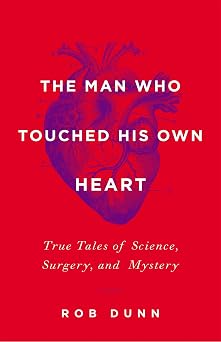

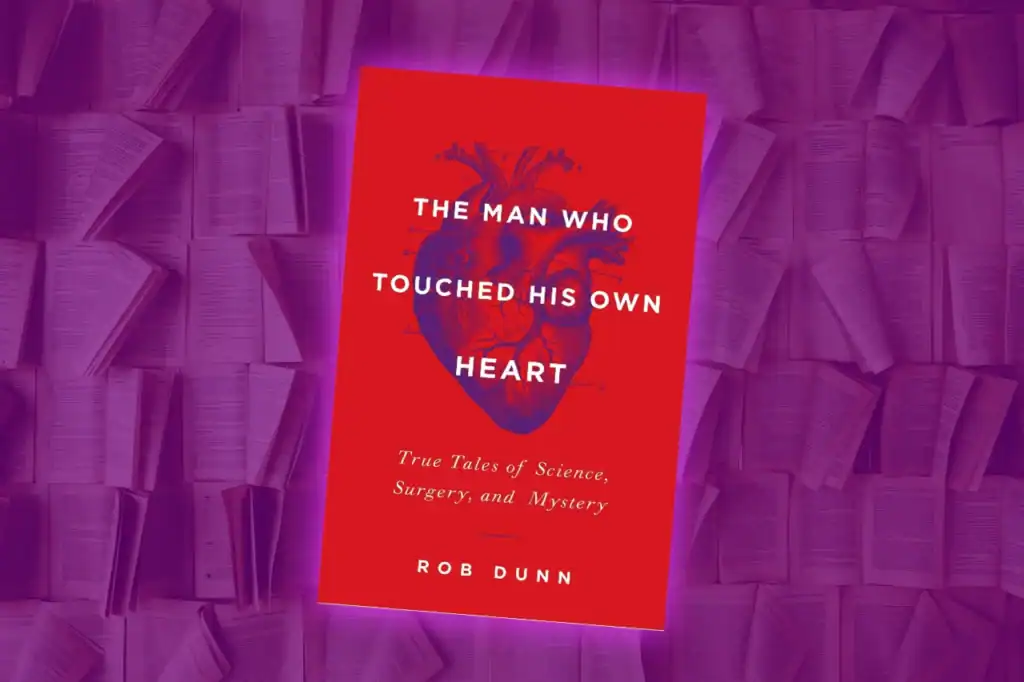
Picture a time when the very idea of touching a living, beating heart was considered unthinkable—blasphemous even. Yet it’s exactly at that forbidden frontier where Rob Dunn’s ‘The Man Who Touched His Own Heart‘ begins its extraordinary journey. Blending gripping storytelling with fascinating medical history, Dunn pulls back the surgical drape to reveal a world of daring experiments, fearless pioneers and a relentless human obsession to understand (and conquer) our most vital organ…
Far from a dusty timeline of heart surgery, this book crackles with life and tension. Dunn starts by bringing readers face to face with the ancient belief that the heart wasn’t just a pump but the very seat of the soul – something too sacred to be cut or studied. Then, in a heartbeat, he thrusts us into the operating rooms and anatomy theaters where that taboo was first shattered. Here, early surgeons and scientists risked everything to explore what lay inside the chest: reputations were ruined, lives were gambled and yet each bold step opened a new chapter in medical history.
Dunn introduces us to these medical rebels as if we’re standing beside them. Readers watch as forgotten doctors attempt the unimaginable: sewing a wound in a patient’s heart, threading a catheter into their own beating chest, or dreaming up mechanical hearts and pacemakers in workshops cluttered with wires and doubt. It’s thrilling not because it’s polished hero worship, but because Dunn keeps the danger real and the stakes human. Each advance comes wrapped in risk and controversy, showing how close brilliance often walks to the edge of disaster.
Alongside the drama, the book is packed with unexpected revelations. We learn how the heart’s curious design still carries echoes of our evolutionary past and why heart disease has haunted humanity for millennia, long before modern fast food and office jobs. Even Egyptian mummies, as Dunn shows, show signs of hardened arteries, hinting that our fight against heart disease is older and more complex than most imagine.
What makes Dunn’s storytelling especially captivating is his gift for turning historical facts into living, breathing scenes. The narrative rushes forward like a well-paced thriller, but it pauses just enough to explore deeper questions: What drives someone to cut into a beating heart for the first time? Is it courage, desperation, ego – or all three? And at what point does the desire to save lives blur into dangerous ambition?
Rather than flattering his subjects into heroes, Dunn keeps them vividly, stubbornly human. Some are brilliant, others reckless; some are celebrated in textbooks, others nearly forgotten. Yet all share an unshakable belief that the secrets of the heart were worth any risk.
By the final pages, The Man Who Touched His Own Heart becomes more than a history of medical breakthroughs. It’s a testament to the restless curiosity that defines humanity itself: the refusal to accept mystery, the hunger to question what everyone else fears and the astonishing truth that our greatest advances often begin with a single, wildly dangerous idea.
Whether you’re fascinated by science, drawn to untold history, or simply love a true story with real stakes and real people, this book delivers. It’s exciting, insightful, and above all, deeply human. Dunn reminds us that behind every life-saving procedure we take for granted today are countless moments when someone dared to do the impossible and forever changed what it means to live…
The Man Who Touched His Own Heart tells the raucous, gory, mesmerizing story of the heart, from the first "explorers" who dug up cadavers and plumbed their hearts' chambers, through the first heart surgeries-which had to be completed in three minutes before death arrived-to heart transplants and the latest medical efforts to prolong our hearts' lives, almost defying nature in the process.