

Bizarre But True! In 1813, workmen at Windsor Castle broke into a sealed grate and discovered something extraordinary. A sealed lead coffin. Inside lay Charles I, the only English monarch ever executed for treason, whose body had been missing for 164 years…
The coffin was opened by Sir Henry Halford, physician to King George III.
What happened next was absolutely insane…

The Victorian Dinner Party Curiosity
Halford didn’t just examine the body. He removed Charles I’s fourth cervical vertebra, the bone severed by the executioner’s axe, and kept it as a grim curiosity for his dinner guests.
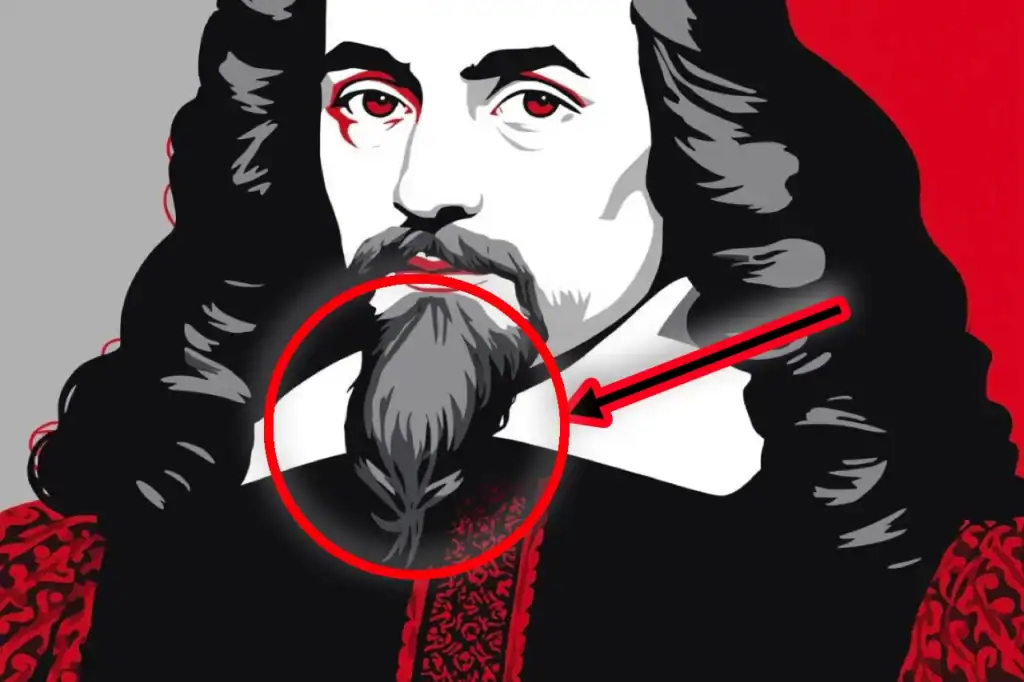
Then he snipped off locks of the dead king’s goatee beard too.
The beard was in perfect condition. After 164 years underground, the pointed goatee that defined Charles I’s image was still intact, confirming the identity of its famous owner. Halford noted the beard hair was “a redder brown” whilst the head hair was “nearly black.”
The embalming had worked so well that Charles could still be identified by his facial features too.
The beard fragments eventually made their way to Paul Fraser Collectibles – a company that describes itself as “the world’s largest seller of historical or celebrity hair.” They’ve called Charles I’s beard hair “without doubt” their “most grisly item.”
The King Who Wore Two Shirts To Hide His Fear
Charles I knew he was going to die. On 30 January 1649, he walked to the scaffold outside Banqueting House in London.
It was freezing.
He requested two shirts that morning. His reasoning? “The season is so sharp as probably may make me shake, which some observers may imagine proceeds from fear. I would have no such imputation.”
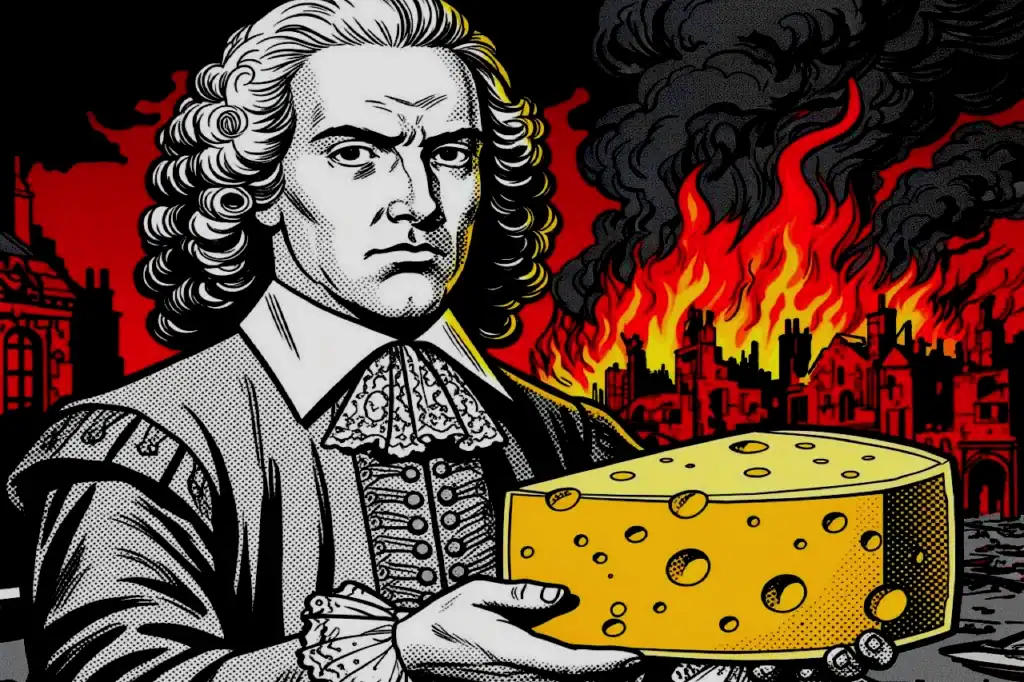
He was terrified the crowd would mistake shivering from cold for cowardice. When the executioner’s axe fell, his head was held up to the crowd. But the traditional words, “Behold the head of a traitor!”, were never spoken. The executioner stayed silent, possibly because he feared his voice would be recognised. His identity was never revealed.
Charles’s head was sewn back onto his body the next day and he was buried at Windsor Castle in that sealed lead coffin. Then, everyone forgot where he and many other Royals in the Chastle’s chapel were buried.
The Rise Of Victorian Relic Worship
By the time Halford cracked open the coffin in 1813, something bizarre had taken hold of British society. The Victorians were obsessed with body parts.
A “bourgeoning transatlantic autograph and rare book market” had emerged where body parts, in particular, hair were “not only revered as sacrosanct treasures but also bought and sold as tradeable commodities.” Queen Victoria herself had at least eight pieces of jewellery made incorporating Prince Albert’s hair after his death in 1861.
Hair became currency. Identity became merchandise. Halford’s dinner party trophy wasn’t an aberration. It was just the norm for the times.
From Coffin To Commerce
Charles I’s beard fragments have survived for over 200 years since Halford’s theft. They’ve passed through collectors, dealers and auction houses.
Paul Fraser Collectibles was the most recent to handle the fragments. The company specialises in the macabre—historical hair, celebrity relics and general unusual objects that blur the line between reverence and commerce.
It’s a strange loop. Charles I refused to recognise the court that tried him, believing kings received their authority from God. He was convicted as “a Tyrant, Traitor, Murderer and Public Enemy to the good people of this Nation.”
His body was hidden for 164 years. Then a Victorian physician turned it into a conversation piece. Sadly for Charles, not only did he lose his head, but he lost his trademark beard too…
Visit For Yourself
Want to get up close to the exact site that Charles I’s body was exhumed and de-bearded? Well, now you can! Windsor Castle and it’s chapel are now open to the public and you can get your tickets in advance below from the official Get Your Guide website…