


April Fools’ Day sounds like harmless fun – until someone evacuates 13,000 people over a fictional UFO. Or gets arrested for a toy car. Or causes a heart attack that ends a career…
The gap between “funny prank” and “legal disaster” is actually thinner than you think in this day and age. What starts as workplace banter can quickly spiral into lawsuits, criminal charges and mass panic.
Here’s our Bizarre But True! roundup of April Fools pranks gone bad…
The $60,000 Toy That Broke Federal Law
A California radio station ran a week-long contest in the early 2000s. Listeners guessed how many miles two H2 Hummers drove. The prize? A “Hummer.”
Two winners showed up on April 1st, expecting keys to a $60,000 vehicle. They got a radio-controlled toy instead.
One victim didn’t laugh. They sued for the full cost of a new Hummer H2, claiming the station violated Federal law. The station’s defence – “it was just a joke”, didn’t hold up when contract law got involved. The mechanism is simple: promise something specific, fail to deliver, face the legal system.
When “Toy Yoda” Became a Six-Figure Mistake
Hooters in Florida tried the same trick in 2001.
A manager offered a “free Toyota” to whichever employee sold the most beer on April Fools’ Day. The winner, Jodee Berry, got blindfolded and led outside for her big reveal.
The prize? A plastic Star Wars doll – Toy Yoda, gettit?!
Berry sued for breach of contract and fraudulent misrepresentation. Hooters settled, giving her enough money to pick out any Toyota she wanted.
The Heart Attack That Ended a Career
An Ontario City Hall employee was on holiday when his phone rang on April 1st. Urgent project. Needed immediately. Drop everything…
The stress triggered a heart condition. He was hospitalised. During recovery, he realised he couldn’t return to work and retired early. He sued London City Hall for damages and lost income.
The prank cost him his career. The lawsuit cost the city far more than whatever laugh they were chasing.
13,000 People Evacuated Over Fictional Aliens
On April 1st, 2010, a Jordanian newspaper published a report claiming a UFO had landed near the town of Jafr. The mayor didn’t check sources…
He issued an evacuation order. 13,000 people fled their homes!
Facing potential lawsuits, the newspaper staff apologised publicly, saying they “meant to entertain, not scare people.” But intent doesn’t really cut it when you trigger mass panic!
The Four-Year Volcano Prank That Became Legend
Oliver “Porky” Bickar had an idea in 1971: make Alaska’s Mount Edgecumbe look like it was erupting.
He spent three years gathering tyres and waiting for perfect visibility.
On April 1st, 1974, smoke rose from the peak. Phones at police stations and radio stations rang nonstop. The Coast Guard sent a helicopter. The pilot looked down and saw burning tyres with a spray-painted “April Fools” message.
This one worked because nobody got hurt and nothing was destroyed. But it still cost local authorities dearly in mounting an emergency response…
When Presidents “Warned” Boston About an Eruption
Boston’s WNAC-TV broke into its 6pm newscast on April 1st, 1980, with breaking news: the Blue Hills in Milton were erupting.
This was five days after Mount St. Helens blew its top in Washington State. The report showed lava footage (stolen from Mount St. Helens) and edited remarks from President Jimmy Carter and Governor Edward J. King. Residents of Milton fled their homes. Others flooded police with calls. Hundreds rang the station to complain.
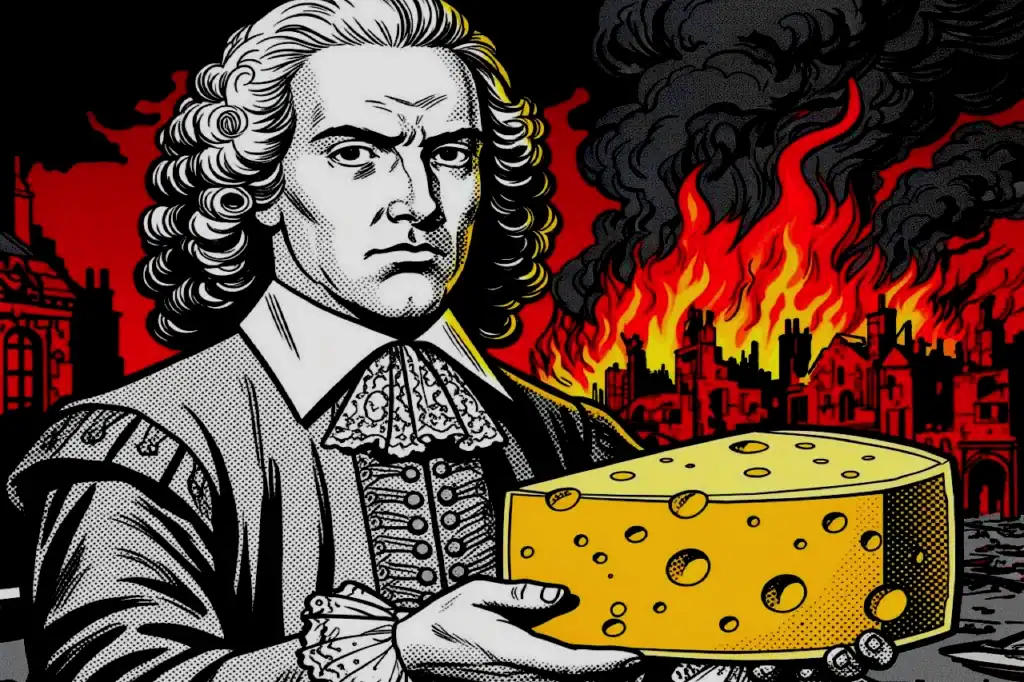
Homer Cilley, the executive producer, was fired the next day for “failure to exercise good news judgement” and “violating FCC rules.” The threshold was clear: fake news that triggers evacuation ends careers.
The “Robbery” That Summoned Four Patrol Cars
A clothing-store employee in Columbus, Ohio, had been working for two weeks when April 1st, 2003 arrived. She rang her manager at home and screamed that armed men were robbing the store.
The manager called police. Four cruisers were dispatched immediately.
Minutes later, she called again: “April Fools!” Too late. Police arrived and charged her with inducing a panic. The manager fired her on the spot. Emergency services don’t have a sense of humour about false reports. The legal system backs them up.
The Space Needle “Collapse” That Sent Seattle Into Panic
On April 1st, 1989, Seattle’s KING 5 aired a fake news report: the Space Needle had collapsed.
The show’s writers hired someone who looked like a news reporter and created footage showing the needle toppled onto nearby buildings. Many in Washington state panicked. “A lot of people wanted us fired,” John Keister, host of Almost Live!, later recalled.
The prank crossed the line from clever to cruel when viewers believed their city’s most iconic structure had been destroyed.
The “Kick Me” Sign That Led to Criminal Convictions
Intel plant workers taped a “kick me” sign to a colleague’s back on April Fools’ Day in 2012. The employee was kicked and ridiculed throughout the day.
The outcome? The employee sued. The pranksters lost their jobs and left with misdemeanour battery convictions. Physical contact = battery. US law doesn’t care if you thought it was funny, apparently.
The “Arrest” That Caused Post-Traumatic Stress
Southwest Airlines’ Albuquerque location had a tradition: “arresting” new employees who completed their probation period.
Airport police, in on the prank, would handcuff the employee and take them away in front of passengers and colleagues. Marcie Fuerschbach was “arrested” as part of this ritual. The prank created serious emotional distress. She was later diagnosed with post-traumatic stress disorder.
She sued Southwest Airlines and the airport police. She won.
When Water Became a Weapon of Mass Panic
Two Kansas City DJs announced on April 1st, 2002, that the water supply contained high levels of “dihydrogen monoxide” (DHMO). Symptoms included excessive sweating and urination.
Homeowners summoned the water department and police in a panic.
Dihydrogen monoxide is water. H₂O. Chemistry class basics. A government official accused the DJs of “terrorism.” They received intense criticism.
Two Florida DJs tried the same prank in 2013. They were taken off the air and almost prosecuted…