

Wars are usually about territory, ideology, or even pure survival. But sometimes, nations have gone to battle over things so ridiculous that you’d think someone made it up. Except they didn’t…
These conflicts actually happened, people actually died and the reasons behind them were genuinely insane.
The War Of The Bucket: 2,000 Dead Over Stolen Pride
In 1325, the Italian city-states of Modena and Bologna went to war. The story – Someone stole a bucket.
The reality? The bucket wasn’t stolen before the war—it was taken as a trophy after Modena had already defeated Bologna at the Battle of Zappolino. The actual trigger was Modena’s capture of Bologna’s fortress of Monteveglio in September 1325. But here’s where it gets properly strange: about 2,000 men were killed in a battle that lasted exactly two hours before the Bolognese lost their nerve and broke off combat.
After victory, the Modenese held a jousting tournament under Bologna’s walls “in honour of the participants in the operation and the eternal shame of Bologna.”
That bucket? It’s still on display in Modena’s palazzo comunale. To this day, students joke about stealing it back.
The conflict even inspired a mock-Homeric poem in 1622 by Alessandro Tassoni called “The Rape of the Bucket,” which became a 1772 opera composed by Antonio Salieri. Two thousand people died, and centuries later, we’re still talking about a wooden bucket.
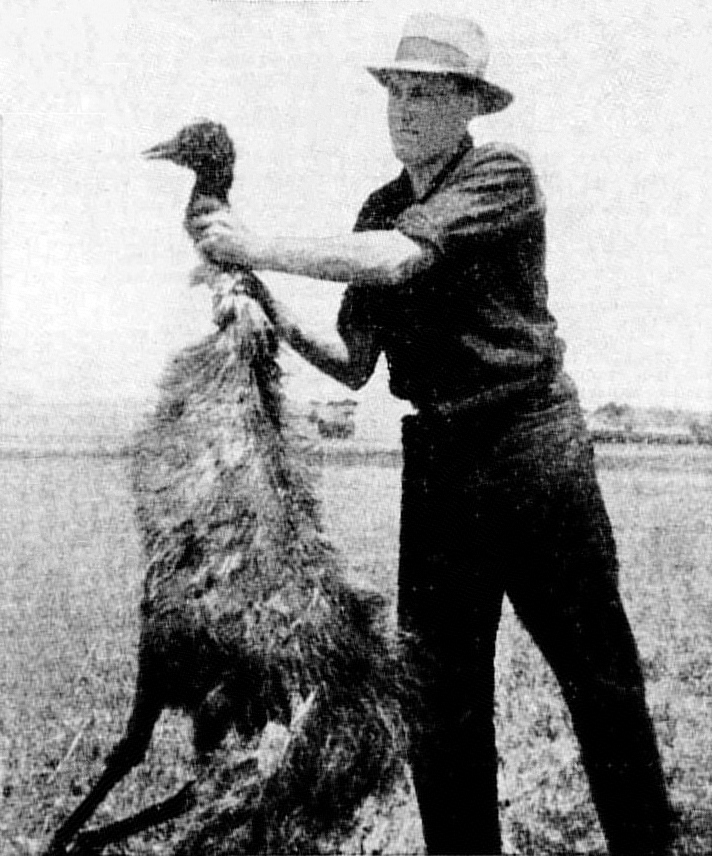
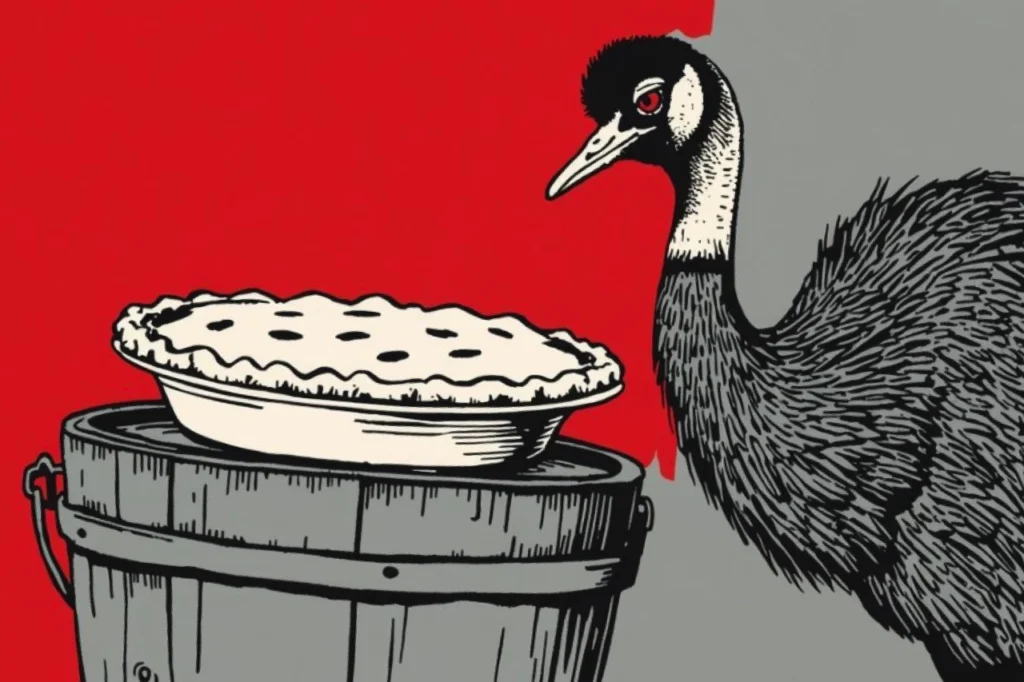
The Emu War: When Australia Lost To Birds
In 1932, Western Australia faced a massive problem. An estimated 20,000 emus were destroying crops and farmers demanded action.
The government’s solution? Send in the military with two Lewis guns and 10,000 rounds of ammunition!
Major Meredith commanded the operation. The result was a spectacular failure. By 8 November, the army had used 2,500 rounds to kill just 200 emus. The birds scattered into small groups, making them nearly impossible to target. When Meredith prepared an ambush near a local dam with over 1,000 emus heading towards their position at point-blank range, the Lewis gun jammed after taking down only about 12 birds.
Major Meredith’s assessment became legendary: he compared the emus to Zulus and stated, “If we had a military division with the bullet-carrying capacity of these birds, it would face any army in the world.”
Ornithologist Dominic Serventy noted: “The Emu command had evidently ordered guerrilla tactics, and its unwieldy army soon split up into innumerable small units.” The emus were considered the victors.
By 1934, the government gave up on military solutions and began supplying farmers with ammunition instead. In six months, 57,000 emu bounties were claimed.
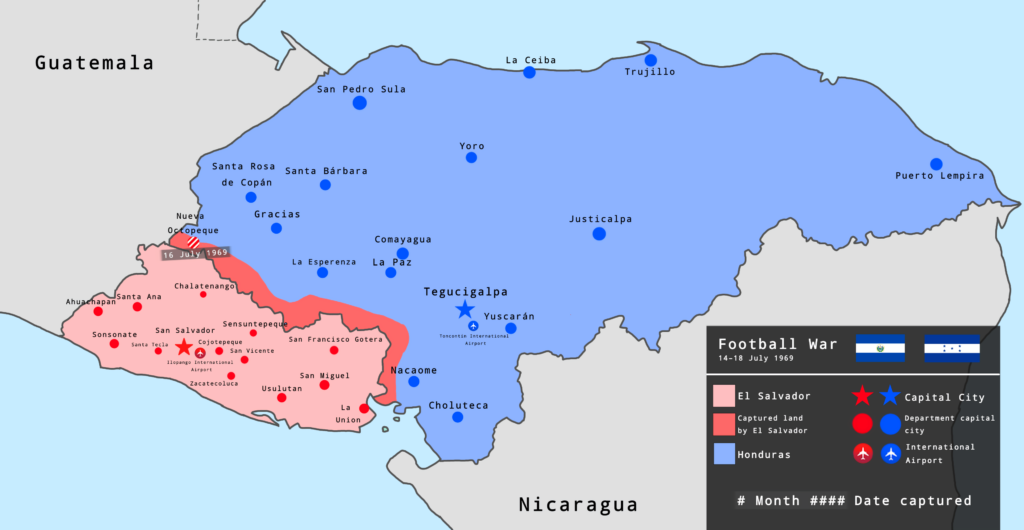
The Football War: Four Days, Thousands Dead
In 1969, El Salvador and Honduras went to war. The popular story? Football riots during World Cup qualifying matches triggered the conflict. The reality was darker and more complex.
By 1969, more than 300,000 Salvadorans were living in Honduras, making up over 10% of Honduras’s population. Tensions over land and immigration had been building for years. On 26 June 1969, the night before the play-off match in Mexico City, El Salvador dissolved all diplomatic ties with Honduras, stating that around 12,000 Salvadorans had been forced to flee.
The war lasted exactly from 14 July to 18 July 1969—approximately 100 hours—earning it the nickname “100 Hour War.”
The casualties tell the real story. El Salvador suffered up to 700 casualties including 107 deaths, whilst Honduras suffered 165 official casualties including 99 deaths. Internal CIA documents report up to 1,500 total deaths. The world focused on football hooliganism whilst ethnic cleansing played out in Central America.
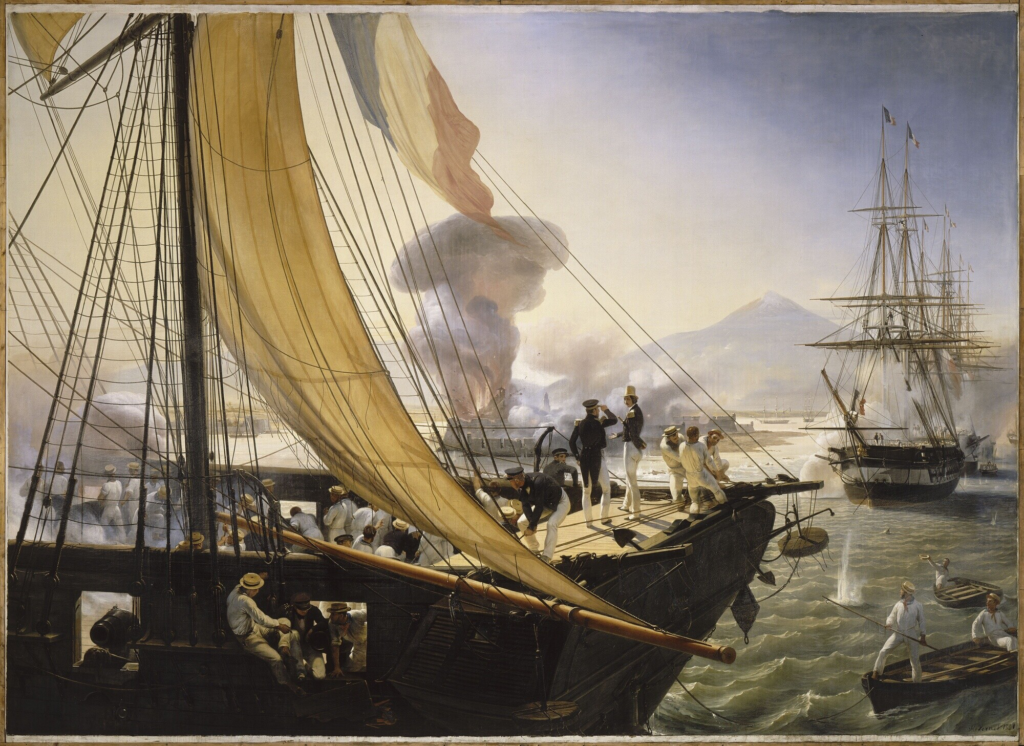
The Pastry War: France Invaded Mexico Over Desserts
In 1832, a French pastry chef known only as Monsieur Remontel claimed that Mexican officers looted his shop in Tacubaya. His demand? 60,000 pesos in reparations for damage to a shop valued at less than 1,000 pesos.
France escalated this into a demand for 600,000 pesos (3 million Francs) in damages. When Mexico refused to pay, France blockaded Mexican ports and captured the fortress of San Juan de Ulúa in November 1838.
The Pastry War ended in March 1839 with a British-brokered peace. But the bizarre legacy lived on: during a skirmish with French rear guard forces, Santa Anna (the Mexican General and Politician) was wounded in the leg by French grapeshot. His leg was amputated and buried with full military honours.
Exploiting his wounds with propaganda, Santa Anna returned to power. Historian Javier Torres Medina notes the name “Pastry War” gives “a sense of ridiculousness and absurdity to a diplomatic conflict that was in fact very serious and complex.”
That’s the pattern across all these conflicts: the names sound ridiculous, but people actually died. The triggers were absurd, but the consequences were real.
What These Wars Actually Reveal…
Of course, these conflicts weren’t really about buckets, birds, football, or pastries.
They were about wounded pride, economic pressure, territorial disputes, and ethnic tensions that needed an excuse to explode. The bizarre triggers just gave everyone permission to do what they already wanted to do.
The question is – where will the next most ridiculous war erupt over something equally Bizarre But True..?