
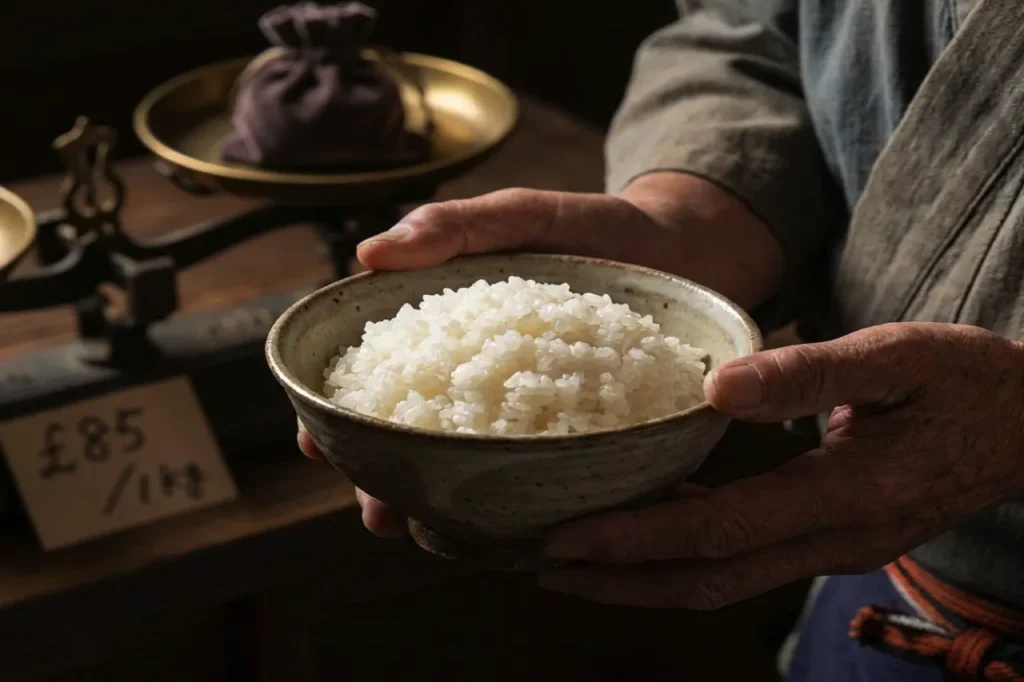
A kilogram of rice shouldn’t cost more by weight than your mobile phone. But Kinmemai Premium does exactly that…
At roughly £85 per bag, it holds the Guinness World Record for the most expensive rice on the planet. Only 1,000 boxes get produced each year, and they sell out fast. But this isn’t marketing theatre. The company admits they’re probably running at a loss.
The Economics Don’t Make Sense (And That’s the Point)
Most businesses chase profit. Toyo Rice Corporation chases something else entirely.
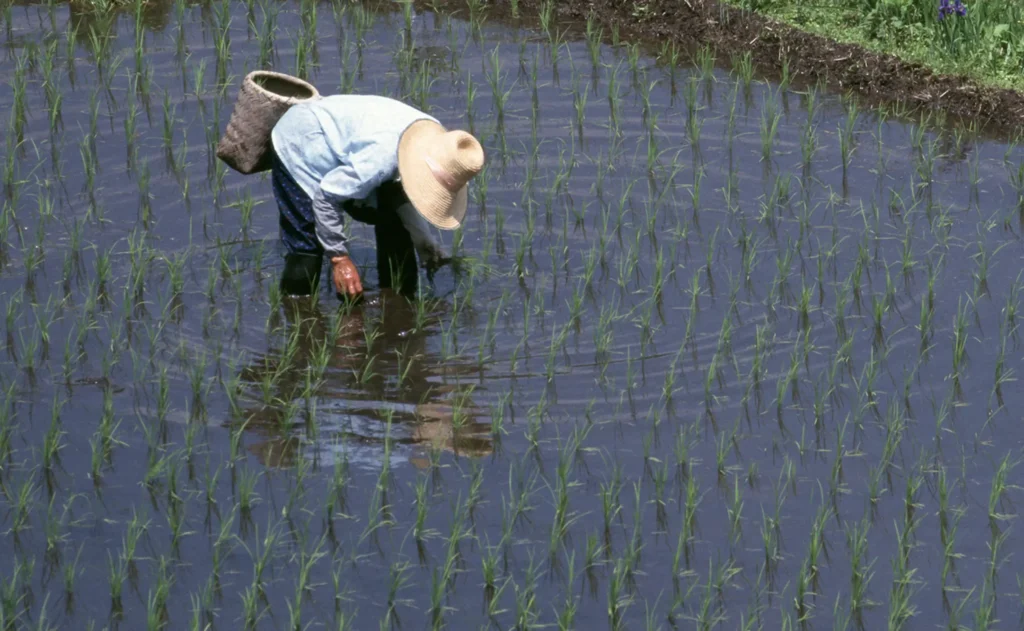
They pay farmers approximately eight times the usual price for the raw grains. Then they age the rice for six months using a process developed 17 years ago. The entire operation was designed to raise the profile of Japanese rice and push farmers towards cultivating higher-quality strains. Profit was never the goal.
The company president is 91 years old now. He still shows up to work every day, usually in work clothes, doing tasks on the factory floor. The secret to longevity? Rice, naturally…
What Actually Makes It Different
Traditional rice milling destroys nutrition. The process removes approximately 67% of vitamin B3, 80% of vitamin B1, and 90% of vitamin B6. Then you rinse it before cooking, which strips away even more minerals and surface proteins.
You’re eating ‘nutritional wreckage’ by the time it hits your plate.
Kinmemai uses a patented polishing method that removes only the indigestible wax layer whilst keeping the nutrient-dense sub-aleurone layer intact. The grains look like tiny diamonds after processing.
Laboratory assessments showed the rice contains up to six times more lipopolysaccharides (LPS) than conventional white rice. These naturally occurring compounds in the outer rice bran layer act as mild immune stimulants. You don’t need to rinse it. The technology preserves what conventional processing obliterates.
The Selection Process Is Insane
Every year, the president personally selects four to six rice varieties from a pool of about 5,000 entries at the International Contest on Rice Taste Evaluation.
Each grain comes from farms that earned Gold Awards from the Association of Certified Rice Appraisers. Then they blend these award-winning varieties into the final product.
A Hong Kong restaurateur testing the rice said: “This rice is so tasty you could eat it plain.” He also noted his restaurant can’t afford rice like this. And that’s the tension. The quality is undeniable, but the economics make it inaccessible for commercial kitchens operating on normal margins.
Why This Matters Beyond Expensive Rice
The rice industry is optimised for yield and shelf stability. Nutrition became a casualty of that optimisation.
Toyo Rice Corporation built a counter-example. The company refuses the binary choice between mass-market accessibility and premium positioning. They maintain both simultaneously.
The Reality Check
But let’s face it, most people won’t buy £85 rice. That’s not the point.
The existence of Kinmemai Premium proves that verified quality creates its own market. The 1,000 annual boxes sell out despite the price point. The question isn’t whether you’ll buy the rice. The question is whether any industry has room for someone willing to ignore conventional economics in favour of verified extremity, even if it doesn’t make money…