
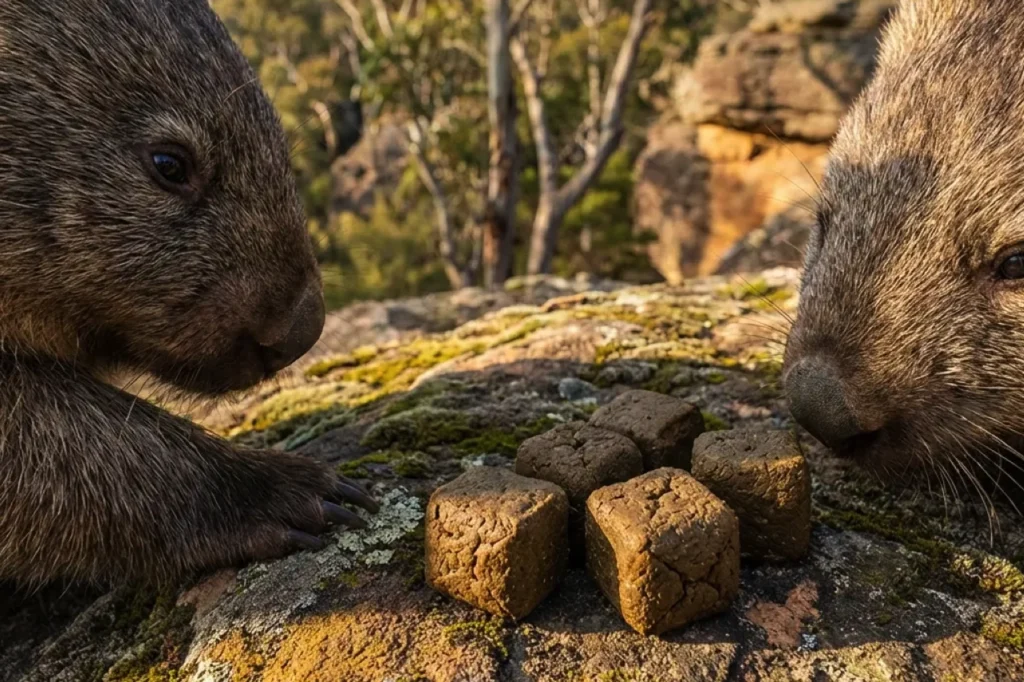

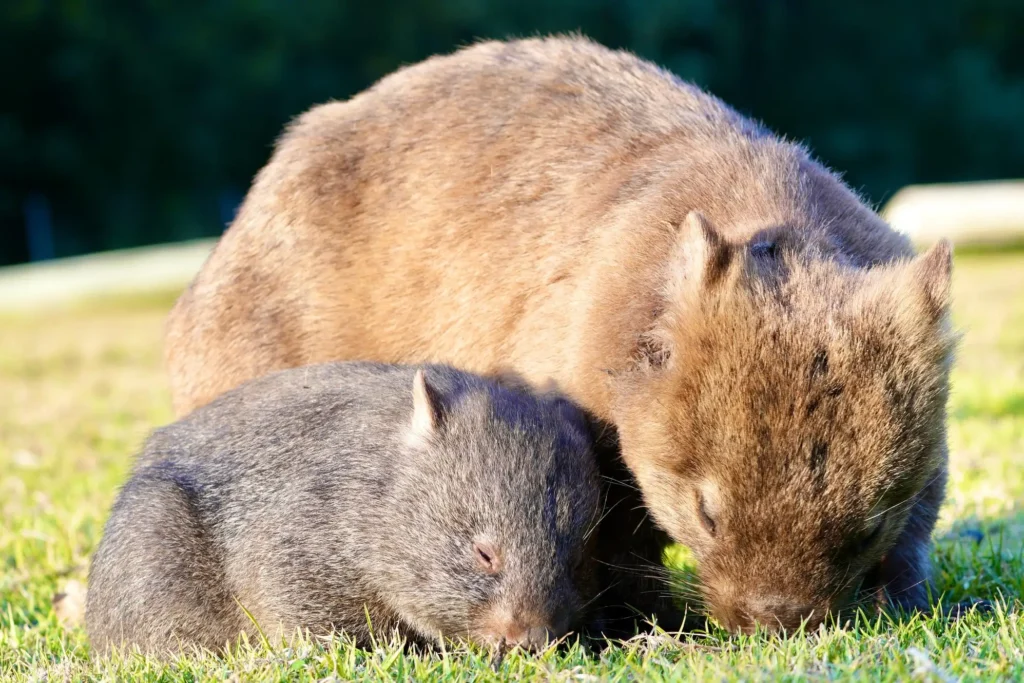
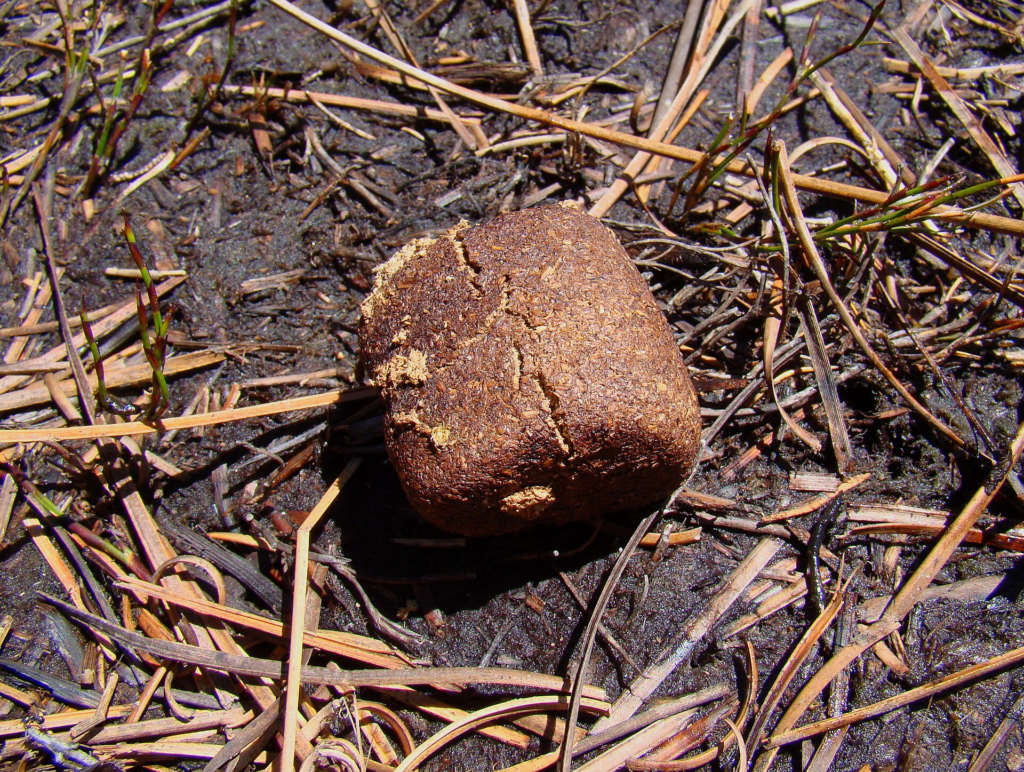
Bizarre But True! There’s exactly one animal on Planet Earth that produces cube-shaped faeces. Not rounded. Not cylindrical. Not vaguely geometric. Actual cubes. Six sides. Sharp corners. The kind of precision you’d expect from a factory, not a digestive system. That animal is the wombat…
Read on to find out more about this bizarre animal and it’s cuboid droppings as well as a chance to meet them unclose and personal yourself with our pick of the best woman experience in Sydney at the end of the article…!
The Production Line
A single bare-nosed wombat squeezes out nearly 100 cubes every day.
That’s not a typo. One hundred geometric turds. Daily. Each one takes 40,000 intestinal contractions to form. The process happens entirely internally – no external shaping, no square anus, no post-production modification.
Just passive mechanical forces sculpting waste into geometry that humans can only achieve through cutting or moulding.
The Engineering
Wombat intestines stretch 33 feet long. That’s ten times their body length.
Digestion takes four times longer than humans. Every nutrient gets extracted. Every drop of water absorbed. What emerges is one-third dryer than human waste.
The cubes form in the final 17% of the intestine. Two distinct grooves, regions that are twice as thick and four times as stiff as surrounding tissue, shape the impossible. The contractions are subtle. The corners get more accentuated with each squeeze. By the time the faeces reaches the exit, the transformation is complete.
The Purpose…
Wombats climb rocks and logs to mark territory. Round droppings roll off. Cubes stay put.
Evolution solved a physics problem through digestive modification. The shape isn’t decorative, it’s functional communication infrastructure.
Recent research identified 44 distinct chemical compounds in wombat droppings. Each cube is a chemical information package with individually distinct signatures. Wombats can tell individuals apart through smell. The geometry prevents the message from rolling away before it’s been received.
The Recognition
Scientists spent years studying this.
In 2019, researcher Scott Carver won the Ig Nobel Prize for physics – a satirical award for science that makes people laugh, then think.
But the research wasn’t a joke. It revealed something industry hasn’t figured out. Humans have two methods to manufacture cubes: moulding soft materials or cutting hard objects.
Wombats engineered a third way. No tools. No external force. Just biological architecture creating precision geometry. through passive mechanical processes.
The Diagnostic
But it doesn’t stop there. The squarer the poop, the healthier the wombat.
Captive wombats sometimes produce less cubic droppings. Hydration status affects cube formation and faecal geometry can work as a diagnostic tool. You can assess an animal’s health by measuring how perfectly cubic its waste is.
That’s the level of biological precision we’re talking about with this cute, cuboid little critter.
Want To Meet Wombats Yourself In Sydney…?!
If you’ve read this far, then we’re know you’re curious about wombat droppings – but how about the chance to meet the whole animal for yourself on this woman and kangaroo tour in Sydney?! Check out the details below…