

Japanese castles didn’t need motion sensors or CCTV cameras. They had something better – floors that screamed when you walked on them..!
The uguisubari, or nightingale floor, was a security system disguised as architecture. Step on the wrong board and the entire hallway would chirp like a flock of birds. No batteries required. No maintenance contract. Just physics and paranoia working together. Read on to find out how these bizarre wooden floors worked, and for your chance to tour Nijō Castle and see one in action for yourself..!
Bizarre But True! This wasn’t decorative craftsmanship. It was deliberate engineering designed to make silent movement inside your property impossible…
The Physics That Made Stealth Impossible
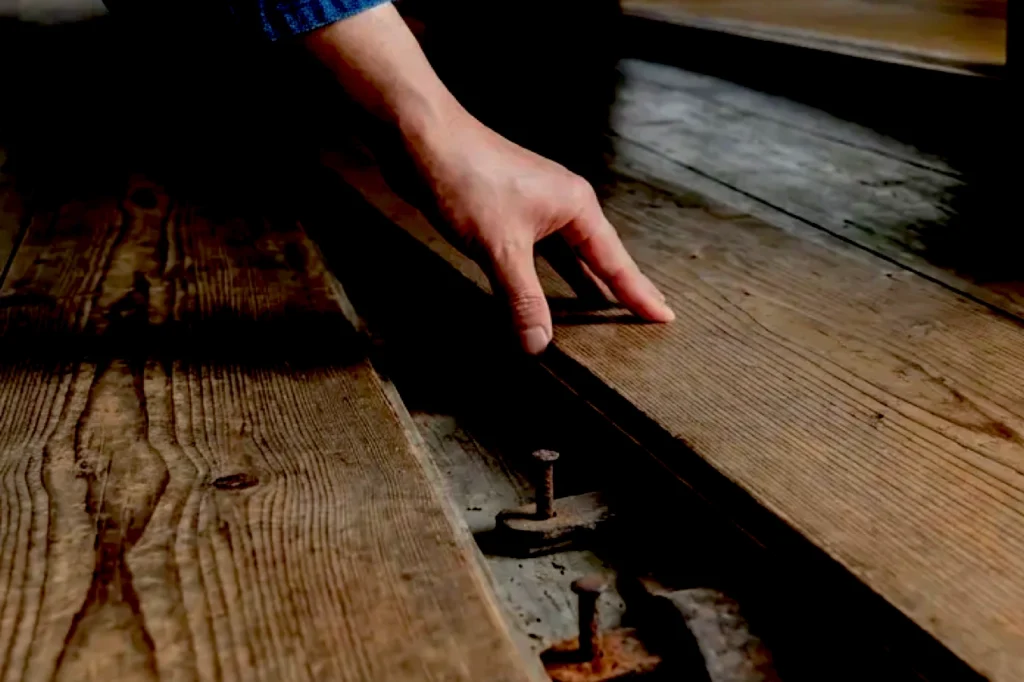
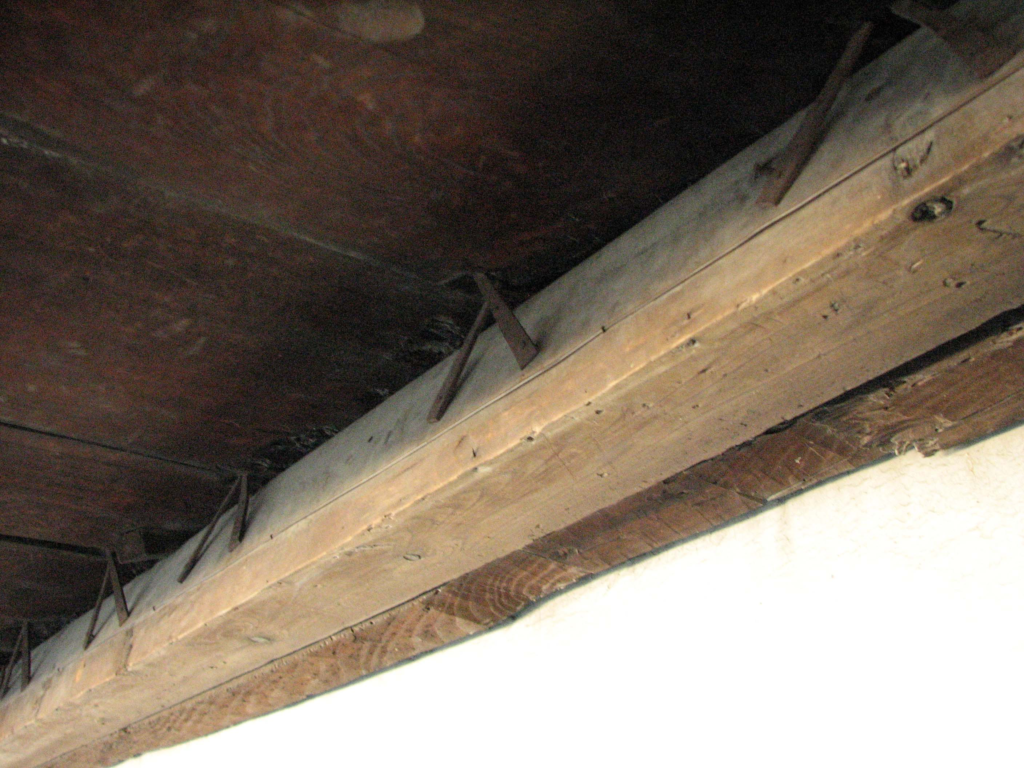
The mechanism sounds simple until you examine the details. Builders installed metal clamps beneath floorboards, positioning them against nails at precise angles. When someone stepped on the board, the wood flexed microscopically. That tiny movement created friction between metal and nail producing a distinctive chirping sound.
But here’s where it gets bizarre…
The floors squeaked louder when people tried to tiptoe.
Lighter steps actually triggered more intense sounds. The harder you tried to move silently, the more noise you made. The system punished caution, which is exactly what made it so effective against intruders attempting stealth.
The boards themselves were planed to be slightly convex at the bottom. This allowed them to rock side-to-side almost imperceptibly when walked upon. That microscopic motion activated the friction mechanism that generated sound.
When Accidents Become Architecture
Nobody knows if the design was intentional from the start.
Evidence suggests the security effect might have arisen by accident from natural floor construction. Builders noticed the phenomenon, recognised its defensive value and only later codified the “accident” into deliberate architectural practice.
This challenges the narrative that Japanese craftsmen planned every detail from inception. Sometimes the best innovations emerge from observing what already works, then refining it into a system. The technique became widespread during the Tokugawa shogunate, a period marked by internal conflict and assassination attempts. Security wasn’t optional. It was survival.
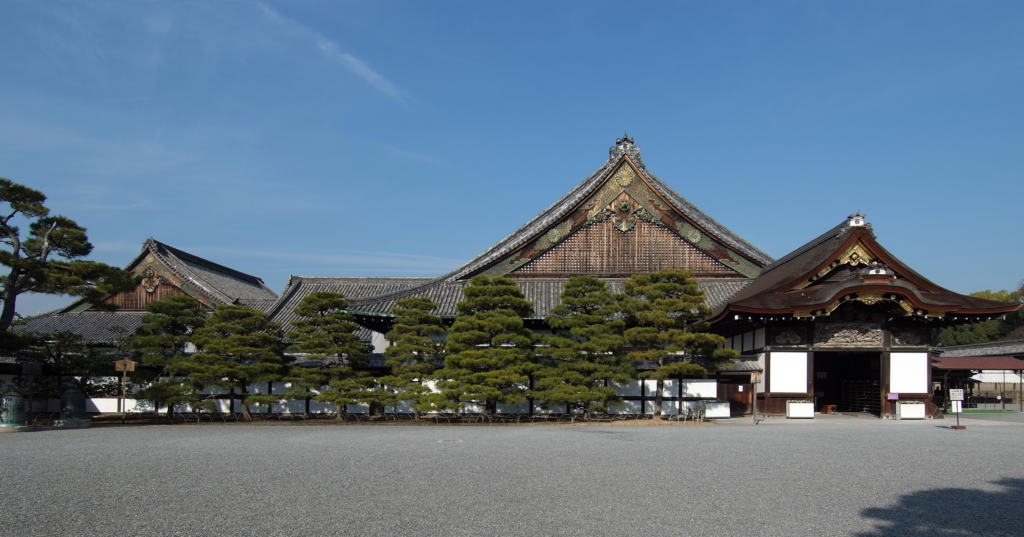
The most famous examples exist at Nijō Castle in Kyoto, where shogunate officials needed protection from both external threats and internal betrayal.
The Choreography Of Trust
Bizarre But True! Guards even developed specific walking rhythms to identify themselves as friendly. Authorised personnel performed choreographed gaits across the floors so others wouldn’t mistake them for intruders. Anyone walking without the designated rhythm immediately revealed themselves as an outsider.
You had to know the dance to belong…
This created a secondary layer of security beyond the acoustic alarm itself. The floors didn’t just detect movement—they forced everyone to prove their identity through physical performance.
The Status Symbol Nobody Expected
Installing nightingale floors wasn’t cheap.
The metal clamps were expensive. The installation was complicated. Only royalty and the truly wealthy could afford squeaky floors throughout their buildings. Intentional noise became an architectural status symbol which might seem somewhat amusing to those of us who unintentionally have squeaky floorboards and would rather we didn’t…!
If you could afford to make your floors chirp, you were announcing two things: you had enemies worth defending against and you had resources worth protecting. The sound itself communicated wealth and power.
The Craft That Vanished
Construction of traditional nightingale flooring appears to be completely extinct. With electronic security systems, the craft has vanished entirely from modern practice despite centuries of refinement. Nobody builds them anymore. The knowledge exists in historical records, but the living tradition died with the practitioners who last installed them.
Modern tourists visiting Nijō Castle report the floors now sound more like screeching banshees than chirping songbirds. Centuries of wear have transformed the delicate acoustic mechanism into harsh mechanical grinding.
The degradation reveals something important about the original design too – it required constant maintenance and calibration to maintain the intended sound quality. These weren’t install-and-forget systems. They demanded ongoing attention.
What Reality Teaches About Security
The nightingale floor demonstrates a principle that still applies today.
The most effective security systems don’t just detect threats—they make certain behaviours impossible to perform without detection. You can’t tiptoe across a floor engineered to punish light footsteps. You can’t fake the authorised walking rhythm without knowing it first.
The system didn’t rely on human vigilance alone. Guards could sleep. Attention could wander. But physics never stopped working. The floors maintained security even when people failed to…
See A Nightingale Floor For Yourself…
If you’re visiting Japan, then why not book a tour to the Nijō Castle in Kyoto and have your chance to see one of these bizarrely amazing security contraptions in action. Info and booking below…