
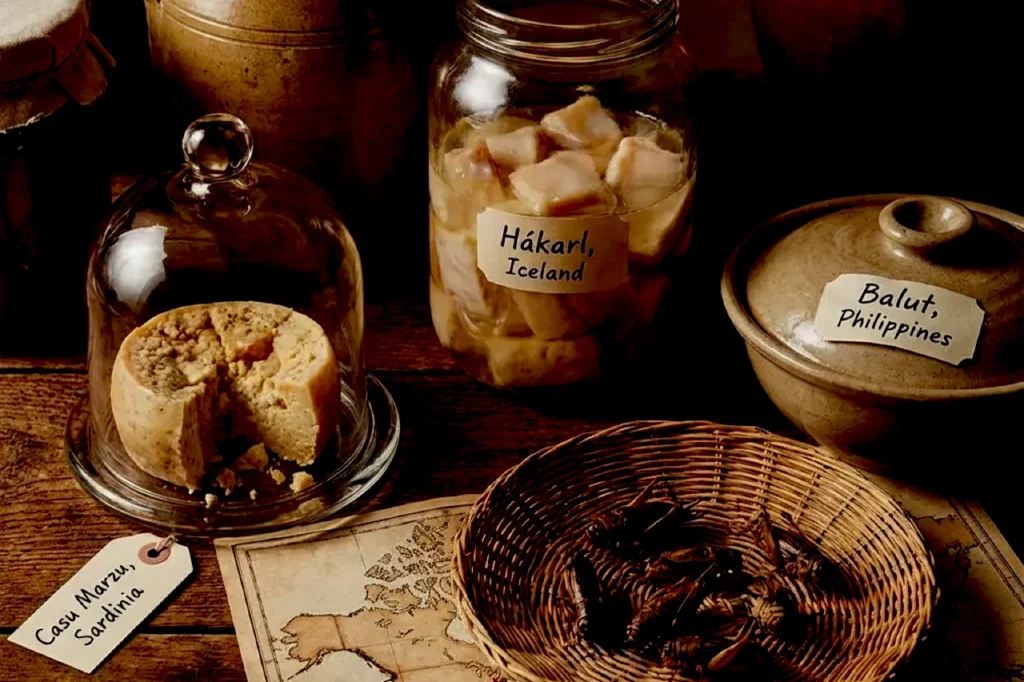

Think you’re adventurous, because you tried sushi once..?! Wait until you see what people are eating in other parts of the world. These aren’t trendy fusion dishes or Instagram-worthy food experiments. These are real foods with centuries of history behind them, consumed by millions of people who’d probably laugh at your avocado-on-toast…
Read on to discover the weirdest foods from around the world, as well as a chance to order yourself something a little unusual to try at the end as well…!
The Cheese That Fights Back
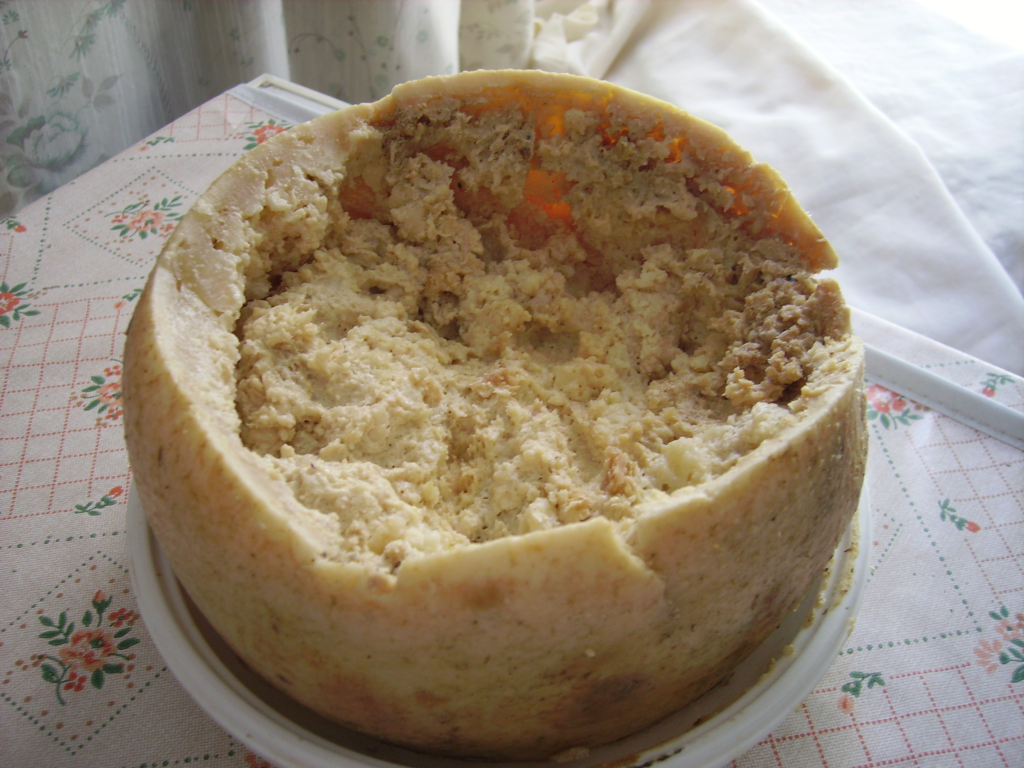
Sardinia produces a sheep’s milk cheese called Casu Marzu. It contains thousands of live maggots by the time it’s ready to eat.
The translucent larvae measure 8mm long and can jump up to 15 centimetres when disturbed. That’s why some people wear eye protection whilst eating it. If the maggots aren’t wriggling, the cheese has become toxic and you shouldn’t touch it.
Guinness World Records listed it as the world’s “most dangerous cheese” in 2009.
Italian authorities banned its sale. The European Union banned it too. People still make it, still eat it and remarkably, no one has died from consuming it (that we know of…!)
The practice isn’t even new. Daniel Defoe wrote about Stilton cheese in 1724, noting it was “brought to table with the mites or maggots round it, so thick, that they bring a spoon with them for you to eat the mites with.”
The Shark That Smells Like Death
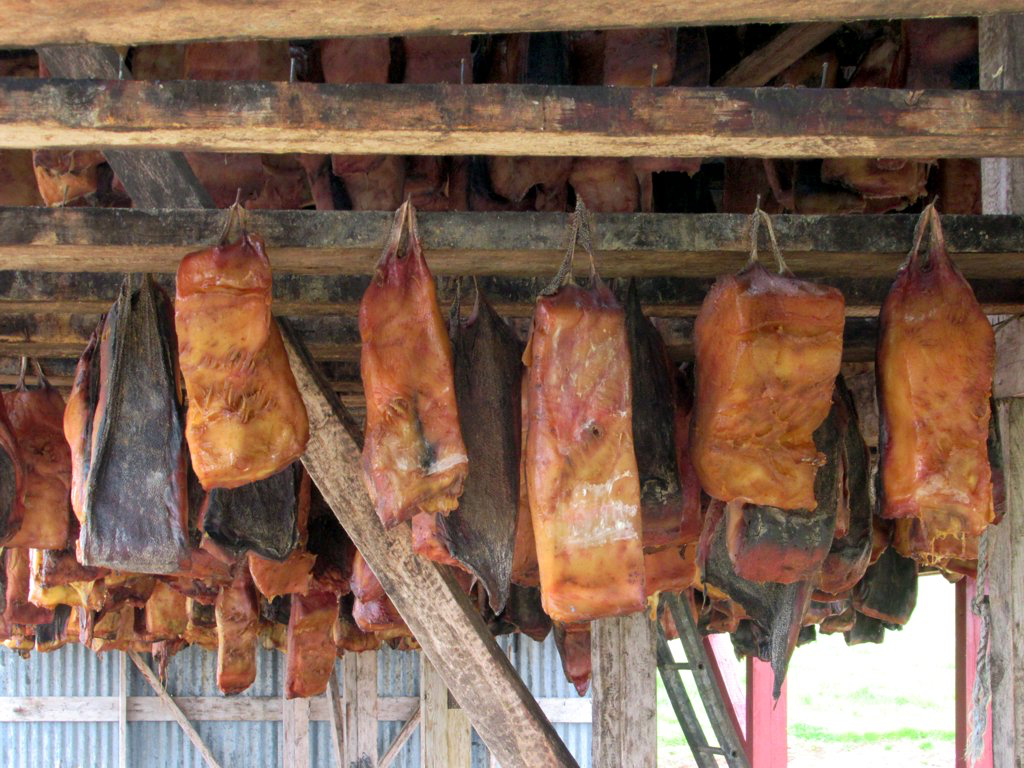
Iceland’s traditional dish Hákarl starts with a Greenland shark. The shark is toxic when fresh because of high urea and trimethylamine oxide content.
So they bury it…
The shark gets pressed in a shallow hole for 6-12 weeks, then hung to dry for another 4-5 months. The fermentation process converts the toxins into something edible, though the ammonia-rich smell remains overwhelming to most.
First-time tasters describe it as the worst thing they’ve ever put in their mouths. Locals treat it as a delicacy and serve it at celebrations.
The Embryo In Your Shell
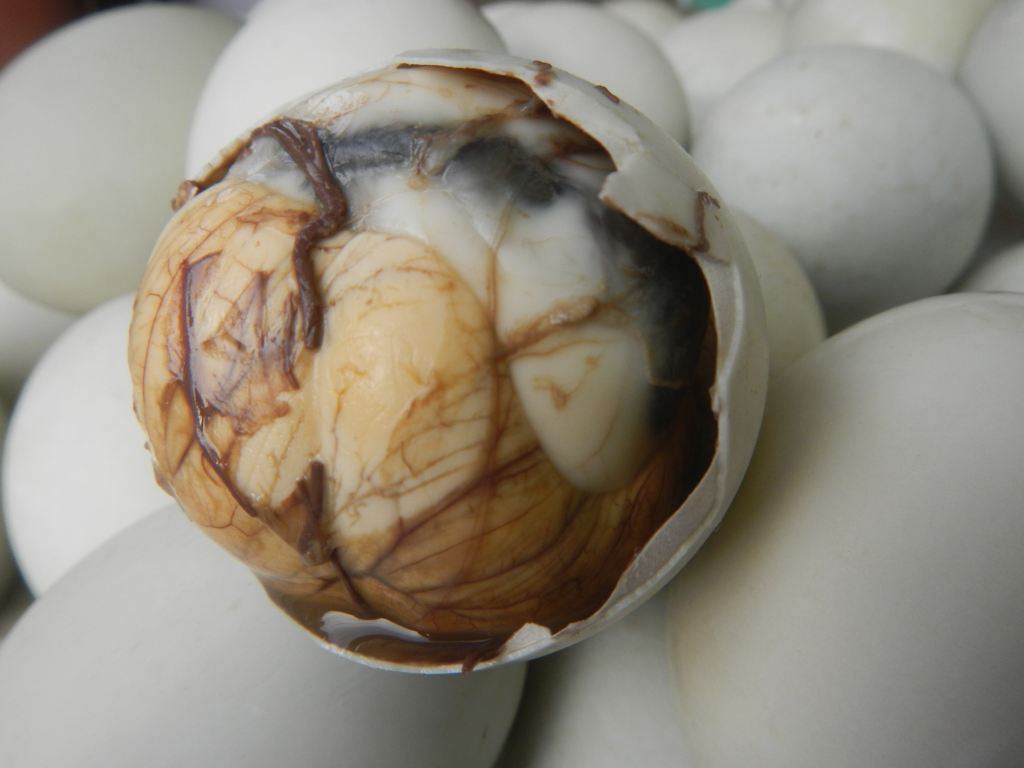
Balut is a fertilised duck egg incubated for 14 to 21 days, then boiled and eaten from the shell. You can see the developing duckling inside – beak, bones, feathers and all.
Each egg contains 14 grams of protein, along with high levels of calcium, iron and phosphorus. Just 188 calories per egg. The problem? One egg holds around 359mg of cholesterol, exceeding the recommended daily intake.
The Chinese introduced Balut to the Philippines in 1565. It’s now deeply embedded in Filipino culture, sold by street vendors who walk through neighbourhoods at night calling out “Baluuuuut!” 60% of purchasers believe it increases sex drive in males. That’s why 75% of customers are men – and why street sellers are most active at night.
Canada labels it as a “Hazardous Food” despite it being perfectly safe to eat.
The Buried Salmon Heads
Alaskan Inuit and Yup’ik communities have eaten ‘Stinkheads’ for generations.
They bury salmon heads in wooden barrels covered with burlap and leave them underground to ferment for weeks or months. The result has a pungent odour and a cheese-like texture. People use it as a condiment.
The fermentation process can produce botulism if done incorrectly. Alaska has more cases of foodborne botulism than any other U.S. state, with a steady increase since 1985.
The fact that Alaskan natives have been making successful batches for generations shows their expertise. Get the fermentation wrong and you’re in serious trouble.
The Insects That Outperform Beef
Over 2,205 insect species are consumed across 128 countries. Two billion people include insects as part of their regular diet.
The sustainability numbers are insane. It takes eight times more land to obtain one gram of edible protein from beef than from mealworms. Crickets require less than 2kg of feed for every 1kg of bodyweight gain, compared to 2.5kg for chicken, 5kg for pork, and up to 10kg for beef.
Up to 80% of a cricket is edible, compared to 55% for pigs and chickens and 40% for cattle.
Nutritionally, insects provide 20-70% protein content, 46-96% essential amino acids, and 10-50% lipid content. Aristotle mentioned eating cicadas in his book Animal History, so this isn’t some modern trend.
Fried crickets in Thailand and Mexico offer a crunchy texture and earthy flavour. In Japan, Hachinoko (bee larvae) are simmered in soy sauce and sugar for a sweet and savoury treat.
The Pattern Behind The Strangeness…
These foods exist because people needed to survive. Sardinians couldn’t refrigerate cheese. Icelanders had toxic sharks and little other protein sources. Filipinos needed cheap, protein-rich food. Alaskans had to preserve salmon through harsh winters.
What looks bizarre to you was practical necessity to them. They’re not actually that bizarre, relatively. They’re just solutions to problems you’ve never had to face.
Feeling Brave Yourself…?
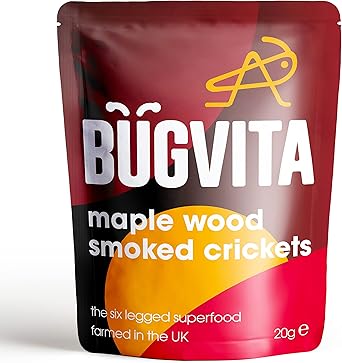
Rather than just reading about unusual foods, why not put your stomach where you mouth is! Bugvita, an insect food company in the UK has developed packed snacks made exclusively from flavoured bugs. We dare you to try some and see if you’d be able to tell what they’re made of just from the taste…?
- Over 60% sustainable protein - contains all 18 amino acids, in a highly digestible form.
- 100% adult's RDA of B12 in just one 12g serving.
- Resealable bag, containing approx. 20 servings. Perfect for snacking or cooking.
- Mild, savoury, slightly toasted, nutty taste - delicious!
- Crickets are farmed in the UK and fed a 100% vegetable based diet.

- Gourmet Garlic Butter Flavour – Indulgent, savoury, and oh-so-moreish.
- Eco-Friendly & Sustainable – Snack sustainably with a low environmental footprint.
- High Protein, Nutrient-Dense – A powerhouse of protein and essential nutrients.
- Ready to Eat – No prep, no fuss. Just open, crunch, and enjoy.
- Made in the UK – Locally sourced and produced with strict quality standards.

- Packed with Protein: A brilliant 12.4g of complete protein in every 20g pack! Fantastic for a post-workout boost, keeping hunger pangs at bay, or simply a healthier, satisfying snack swap.
- Genuinely Sustainable: Choosing crickets means you're backing one of the planet's most eco-friendly protein sources. They need far less water, feed, and land compared to traditional livestock. Good for you, gentler on the earth.
- Proudly UK Made: Our crickets are farmed and expertly smoked right here in the UK, ensuring top quality and supporting local producers.
- Recyclable packaging: Packaged in an easy-to-open pouch made from recyclable materials, we aim to minimize waste and contribute to a healthier planet.
- Ready When You Are: No prep needed! Enjoy them straight from the pack for a convenient, high-protein crunch anytime, anywhere.
- Fiery Wasabi Flavour: Coated with real wasabi for a powerful, fiery kick that delivers an authentic taste experience.
- Sustainable & Fully Traceable: Made in the UK using mealworms reared specifically for human consumption, ensuring high quality and full traceability from farm to pack.
- High Protein, Nutrient-Dense Snack: Packed with protein and essential nutrients, these mealworms offer a nutritious, eco-friendly alternative to traditional snacks.
- Ready to Eat & Convenient: No preparation required. Simply open the pack and enjoy the crunchy texture and bold flavour, ideal for on-the-go snacking, lunchboxes, or a quick protein boost.
- No Additives, Preservatives, or Artificial Colourings: Pure and natural, Bugvita Wasabi Mealworms are a wholefood without unnecessary additives, ensuring a clean and minimally-processed snack.