
True crime movies hit differently when you know someone actually lived through the horror. In fact, so much so that the genre has exploded. 57% of Americans now consume true crime content regularly, with women interestingly (61%) watching more than men (52%)…
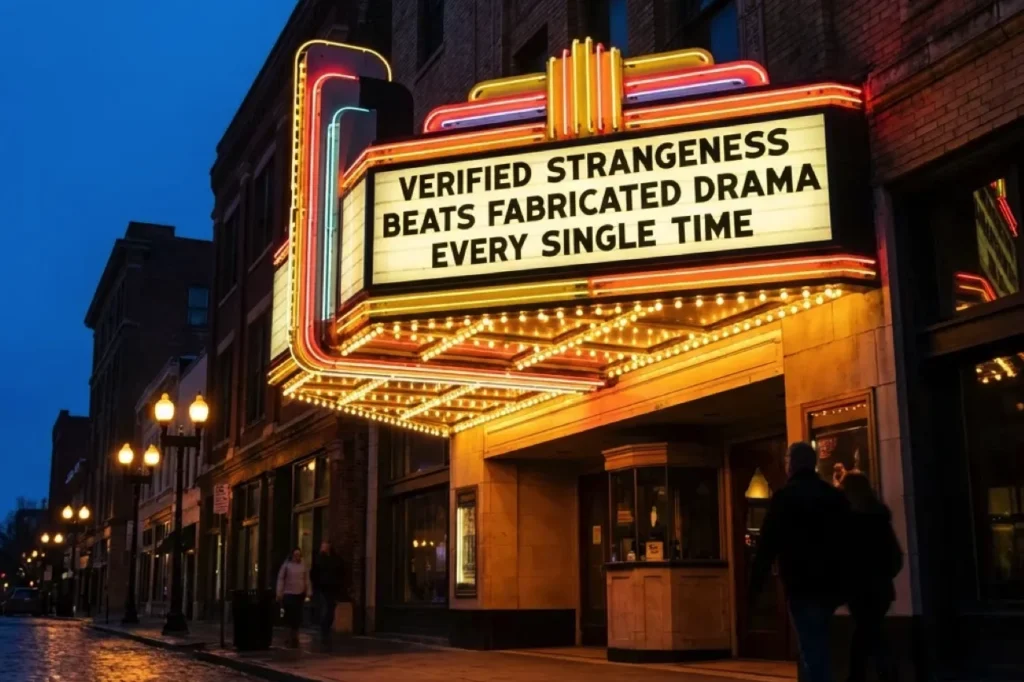
But here’s the thing about the best true crime movies: they don’t need to embellish. Reality really can provide enough material to keep you up at night. These films prove that verified strangeness beats fabricated drama every single time…
Some of the list below does come with a spoiler alert!
Zodiac (2007) — The Gold Standard of Accuracy
Zodiac is arguably the most obsessively accurate true-crime film ever made.
Director David Fincher built timelines from thousands of pages of documents. The lighting matched archival footage. The wardrobe came from period photographs. Even the handwriting comparisons came directly from case files.
The accuracy is so respected that some investigators even still use it as a reference point!
The film follows the real investigation into the Zodiac Killer, who terrorised Northern California in the late 1960s and early 1970s. What makes it brilliant? Fincher resisted the Hollywood ending. The case remains unsolved in the film because the case remains unsolved in reality.
Catch Me If You Can (2002) — The Con Artist Who Made Crime Look Easy
Frank Abagnale Jr. impersonated an airline pilot, a doctor and a lawyer, all before his 19th birthday.
He cashed $2.5 million in fraudulent cheques across 26 countries. All of this actually happened.
Steven Spielberg’s film captures the absurdity of Abagnale’s cons whilst staying remarkably close to the real timeline. The cat-and-mouse game between Abagnale (Leonardo DiCaprio) and FBI agent Carl Hanratty (Tom Hanks) mirrors the actual pursuit that ended with Abagnale’s arrest in France.
The wildest part? Abagnale now works, of all things, as a security consultant, helping organisations prevent the exact frauds he pioneered.
The film works because it really doesn’t need to exaggerate in order to amaze.
Goodfellas (1990) — The Mob Life Without Glamour
Martin Scorsese adapted Nicholas Pileggi’s book Wiseguy, which documented the life of Henry Hill, a mobster turned FBI informant.
The film strips away the romanticised version of organised crime. Hill’s life wasn’t glamorous—it was paranoid, violent and ultimately self-destructive.
Scorsese worked closely with Pileggi and Hill to ensure the details landed correctly. The famous Copacabana tracking shot? Based on Hill’s actual memory of entering the club through the kitchen to impress his date.
The film’s power comes from its refusal to sanitise, as Hollywood is often tempted to do when depicting the mafia. Hill died in 2012, still in witness protection. The film remains the definitive portrait of mob life even to this day.
The Social Network (2010) — The Billion-Dollar Betrayal
Facebook’s origin story is messy, litigious and absolutely fascinating.
Aaron Sorkin’s script, based on Ben Mezrich’s book The Accidental Billionaires, dramatises the lawsuits and fractured relationships that accompanied Facebook’s explosive growth.
Mark Zuckerberg disputes parts of the film’s portrayal, but the core events – the Winklevoss twins’ lawsuit, Eduardo Saverin’s diluted shares, Sean Parker’s involvement, are all documented in court records.
Again, the genius of this movie is that it doesn’t need to invent villainy. The depositions provide enough conflict. The ambition, the paranoia, the betrayals, they’re all there in the real legal filings.
Schindler’s List (1993) — The Industrialist Who Saved 1,200 Lives
Oskar Schindler was a German industrialist and member of the Nazi Party who saved the lives of more than 1,200 Jews during the Holocaust.
Steven Spielberg’s adaptation of Thomas Keneally’s book Schindler’s Ark remains one of the most powerful films ever made about the Holocaust.
The film’s accuracy extends to the details: Schindler’s factory in Kraków, the list itself, the relationships with SS officers, the bribes, the risks. Spielberg consulted with both survivors and historians to ensure the portrayal respected the historical record.
The film works because it refuses to soften the horror. The black-and-white cinematography, the unflinching depiction of violence, the lack of a neat resolution—all of it honours the complexity of what actually happened.
Spotlight (2015) — The Investigation That Shook the Catholic Church
In 2002, The Boston Globe‘s investigative team exposed systemic child abuse within the Catholic Church.
Spotlight follows the journalists who broke the story. The film meticulously recreates the investigation, from the initial tip to the final publication.
Director Tom McCarthy worked with the actual journalists to ensure accuracy. The film includes real documents, real timelines and real methodologies used by the team.
The movie’s tension comes from watching reporters sift through archives, conduct interviews and piece together a pattern of abuse and cover-ups.
The film won the Academy Award for Best Picture because it proved that factual rigour generates its own momentum and that you don’t always need car chases and guns to have viewers on the edge of their seats.
12 Years a Slave (2013) — The Memoir That Exposed Slavery’s Brutality
Solomon Northup was a free Black man living in New York who was kidnapped and sold into slavery in 1841.
He spent 12 years enslaved in Louisiana before regaining his freedom and publishing his memoir in 1853. Steve McQueen’s adaptation refuses to look away. The violence is unflinching. The injustice is documented. The film draws directly from Northup’s memoir, preserving the details he recorded about plantation life including the people he encountered and the system that enabled his enslavement.
The film’s power comes from its commitment to Northup’s account. Like the other movies on this list, the horror doesn’t need amplification.
Why These Films Work (And Why Accuracy Matters)
These films prove something crucial: reality doesn’t need embellishment.
The tension comes from knowing it actually happened. The horror, the triumph, the impossible escapes – all real. So pick one. Tonight!