

You walk into a museum expecting history. What you don’t expect is that some of the objects staring back at you are still actively dangerous. Not metaphorically. Not in a “handle with care” sense. Actually lethal…
Museums house artefacts that can poison you, irradiate you, explode in storage or release toxic vapours into the air. The glass cases and velvet ropes aren’t just for preservation of these artefacts!
Read on for seven objects in museums right now that remain genuinely hazardous…
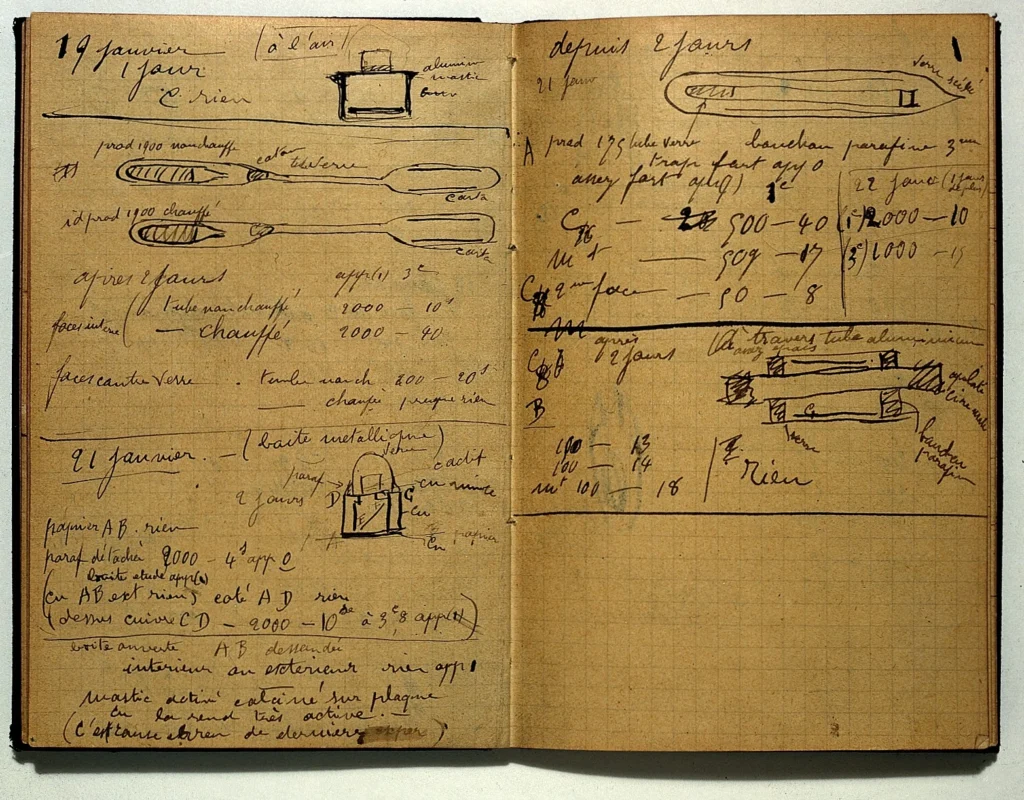
Marie Curie’s Notebooks Require You To Sign A Waiver
If you want to read Marie Curie’s research notebooks at the Bibliothèque Nationale in Paris, you have to sign a document acknowledging you’re doing it at your own risk.
The reason is simple physics.
Radium has a half-life of 1,620 years. The notebooks Curie used between 1897 and 1900 are still emitting radiation over a century later. The Science Museum in London holds a flask she used to store radium. The glass itself has been physically discoloured by the sustained radiation exposure.
Marie and Pierre Curie had no idea they were handling poison.
Pierre carried radium samples in his waistcoat pocket to show friends. Marie kept a vial of radium salt by her bed because it glowed in the dark. They thought it was beautiful.
It killed them both…
Victorian Wallpaper That Murdered Children
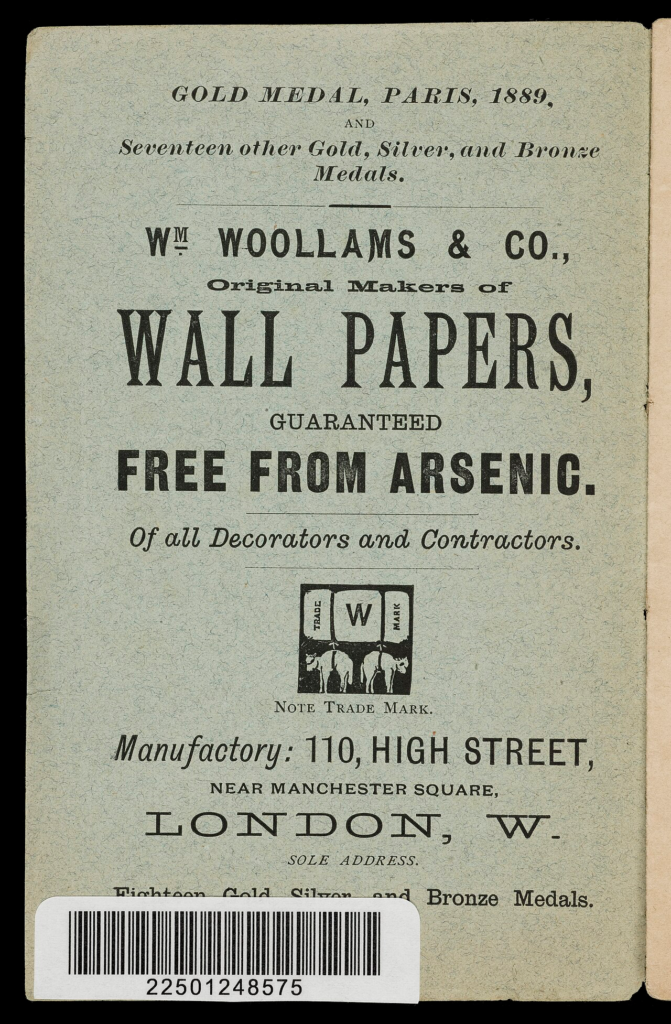
During the 1850s, British homes were papered with arsenic.
One manufacturer estimated 100 million square miles of arsenical wallpaper existed in homes across Britain. Another vendor used two tons of Scheele’s Green pigment every week just to meet demand for Christmas tree green designs.
But the wallpaper didn’t just sit there looking pretty…
The arsenic-laced ink flaked off and was inhaled by anyone nearby. Moisture, heat or abrasion caused toxic vapours to release into the air. Children died in their bedrooms.
Museums, like the St Louis Art Museum, now hold samples of this wallpaper in protective casings. You can still see the vivid greens and intricate patterns that made it so popular. You just can’t touch it.
Film Reels That Explode In Storage
Museums hold millions of feet of old film that can easily spontaneously combust.
Cellulose nitrate film was the standard for cinema from the 1890s until the 1950s. It captured Hollywood’s golden age, early documentaries and the first moving images ever recorded.
It’s also chemically identical to guncotton.
Nitrate film produces its own oxygen as it burns. Water won’t extinguish it. It can burn underwater. When it catches fire, temperatures reach over 5,000 degrees Fahrenheit. But the real danger isn’t accidental ignition.
It’s spontaneous combustion.
As nitrate film ages, it degrades. The degradation releases nitrogen oxide gases. Those gases build up heat. In poorly ventilated storage, the heat reaches critical mass. Then the film ignites itself.
Museums holding nitrate film collections face ongoing risk. The film doesn’t become safer with age. It becomes more volatile. Fresh nitrate ignites at 150°C. Severely degraded nitrate can auto-ignite at temperatures as low as 50°C. That’s a warm summer day in an inadequately cooled vault.
Native Objects Coated in 99 Different Pesticides
Museums didn’t just collect artefacts. They poisoned them.
For decades, curators routinely treated objects with pesticides to prevent insect damage. It was standard housekeeping. One curator’s diary listed the chemicals applied over time. Researchers eventually compiled a list of 99 different pesticides recorded across museum collections.
The Hoopa Valley Tribe repatriated ceremonial baskets and headbands, only to discover nearly all items were contaminated with mercury and DDT. The Seneca Nation retrieved medicine masks that tested positive for arsenic. Headdresses that can still blow arsenic powder into someone’s face if disturbed.
Museums treated sacred objects like pest control targets. Now descendants trying to reclaim cultural heritage have to handle items that can poison them.
A Water Jar That Delivers A Year’s Radiation in One Hour
The Diefenbunker Museum outside Ottawa discovered they had a kitchen appliance from hell in their collection.
In 2024, contractors hired to check a Cold War fallout detection device found something far more dangerous sitting on a shelf. A cream-coloured ceramic jar. Innocent-looking. The kind of thing you’d find at your grandmother’s house next to the sugar.
It was a Revigator. Manufactured in 1912 with a lead and uranium lining, the Revigator was sold as a health product. Fill it with water overnight. Drink eight glasses daily. The instructions promised vitality. What it actually delivered was radon gas, trace arsenic and radium straight into your drinking water.
Testing revealed anyone standing near the jar for one hour would receive a full year’s worth of acceptable radiation exposure.
The museum immediately moved it to a little-used corner of the bunker. For long-term storage, they had to contact Canada’s Historic Artefact Recovery Programme, which maintains radioactive waste facilities specifically for objects like this.
Hundreds of thousands of these jars were sold across North America between 1912 and the 1930s. Museums still hold them. They’re still radioactive.
Victorian Dresses That Release Mercury Vapour
Historic textile collections can harbour toxic secrets too.
Arsenic and mercury were routinely used in 18th and 19th century textile dyes and manufacturing. Scheele’s Green pigment made those vivid Victorian dress colours possible. Hat making relied on mercury compounds.
The chemicals don’t evaporate with time. They remain embedded in the fibres. When the fabric degrades, it releases toxic particles into the air. Mercury-based treatments can sublime and recrystallise on nearby surfaces.
Museums holding costume collections must store arsenic-contaminated textiles separately with proper ventilation. Moving them requires full personal protective equipment. Even photographing them for digitisation projects poses risk.
Staff at institutions like the Fine Arts Centre in Colorado Springs can’t handle certain textiles without hazmat protocols! The clothing is too contaminated to display but too historically significant to destroy. So it sits in storage… slowly releasing poison.
Why Museums Keep Dangerous Objects
You might wonder why museums don’t just dispose of hazardous artefacts.
The answer is that danger doesn’t erase historical value. Marie Curie’s notebooks document the discovery of radioactivity. Victorian wallpaper shows how aesthetics overrode safety for decades. These objects tell stories that sanitised replicas can’t.
Museums implement containment protocols: proper ventilation, protective barriers, specialised handling procedures, regular monitoring and risk assessments. Staff are trained to recognise hazards and visitors are kept at safe distances. The danger is managed, not eliminated.
Because some history is worth the risk of keeping it real…