
The machinery of justice runs on the assumption that it works. That assumption completely collapses when you look at the numbers. Bizarre But True! For every eight people executed in the United States, one other person has been exonerated from death row…
That’s not a rounding error. That’s a structural failure.
Since 1973, 202 former death-row prisoners have been exonerated of all charges, showing how wildly inaccurate court verdicts can be. Research published in ‘Proceedings of the National Academy of Sciences’ found that at least 4.1% of people on death row would be legally exonerated if they were kept there indefinitely.
But they aren’t kept there indefinitely. Some of them are executed. And some of those executions turn out to be irreversible mistakes…
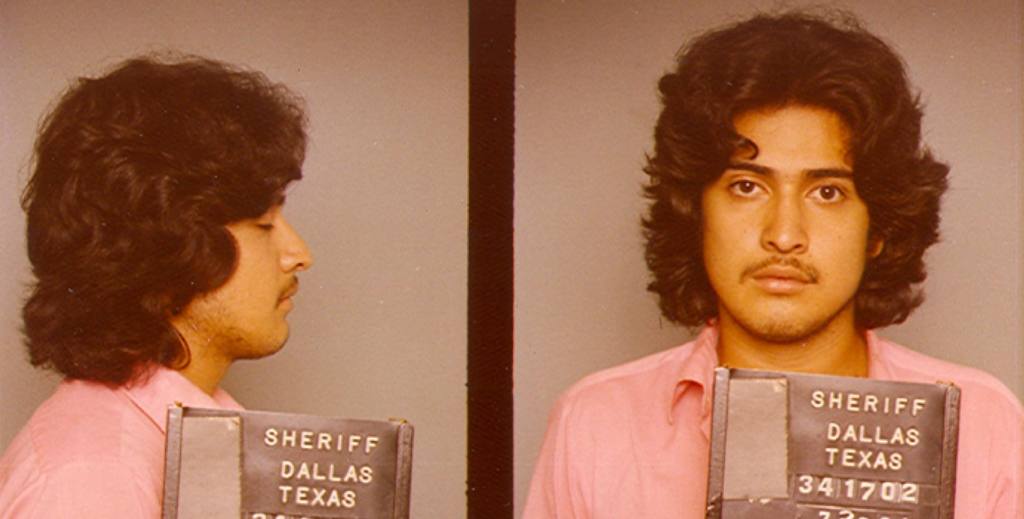
1. Carlos DeLuna — The Phantom Who Was Real
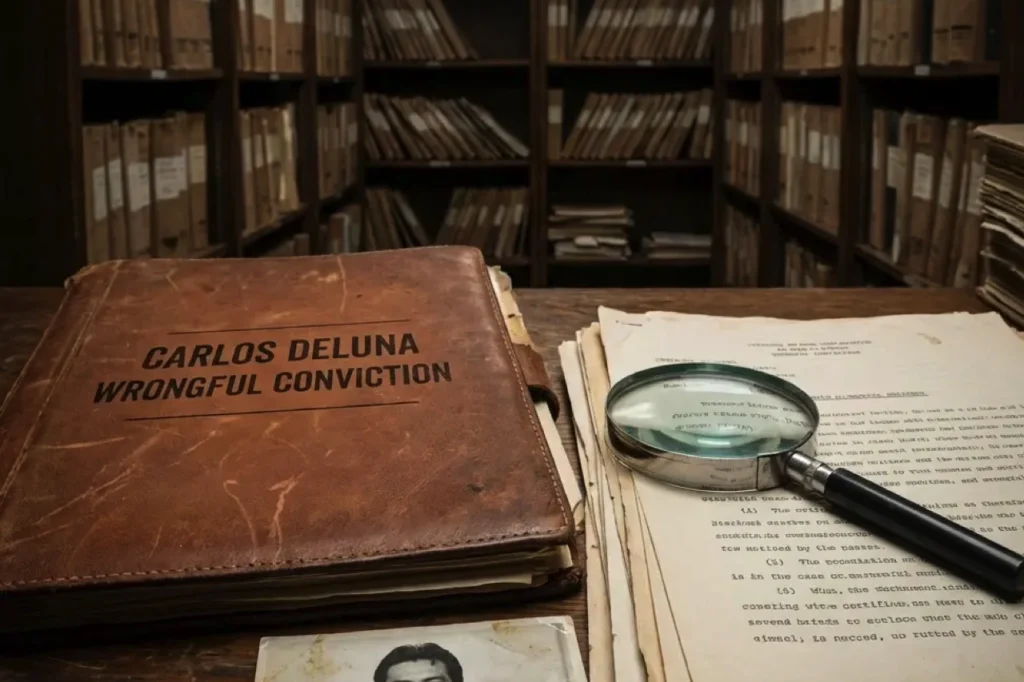
Carlos DeLuna was a poor Hispanic man with childlike intelligence who was convicted of murdering a convenience store clerk in 1983. He was executed in 1989.
The lead prosecutor told the jury that Carlos Hernandez was a “phantom” of DeLuna’s imagination. The prosecution built its case on the idea that Hernandez didn’t exist. Except he did exist.
Columbia Law School investigators later uncovered evidence showing that Carlos Hernandez, touted for the crime, was known to police and prosecutors at the time of the trial. He had a long history of crimes similar to the one DeLuna was convicted and executed for.
DeLuna’s clothes and shoes were microscopically analysed. Not a single spec of blood was found on them, despite the crime scene being covered in blood.
Hernandez allegedly told at least five people that he was the murderer of Wanda Lopez during the incident, not DeLuna. Bizarrely, families of both Carloses also mistook photos of each for the other.
Hernandez’s violence continued after DeLuna was put to death…
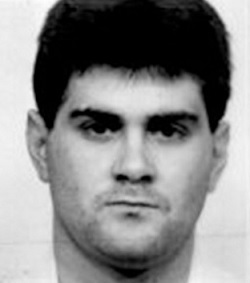
2. Cameron Todd Willingham — Junk Science & Execution
Cameron Todd Willingham was convicted and executed for murdering his three young children by arson at the family home in Corsicana, Texas, in 1991
The conviction rested on fire investigation techniques that have since been proven scientifically invalid. Fire investigator Gerald Hurst reviewed the case and concluded that investigators had no scientific basis for claiming the fire was arson. They ignored evidence that contradicted their theory, had no comprehension of flashover and fire dynamics and relied on discredited folklore.
All twenty of the indicators listed by the original investigator were rebutted by Hurst. He concluded there was “no evidence of arson”.
The Innocence Project hired four top fire investigators who reached the same conclusion. Every indicator of arson that the prosecution relied on had been proven scientifically invalid. This evidence all arrived before his execution.
But Willingham was executed by lethal injection on 17 February 2004.
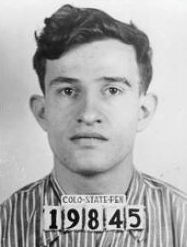
3. Joe Arridy — The Happiest Man On Death Row
Joe Arridy had an IQ of 46 and the mind of a six-year-old.
State psychiatrists noted he was “incapable of distinguishing between right and wrong and therefore, would be unable to perform any action with a criminal intent”.
Prison warden Roy Best reported that “Joe Arridy is the happiest man who ever lived on death row”. When Arridy was informed of his impending execution, he seemed much more interested in his toy trains.
On 6 January 1939, after happily giving his beloved toy train to another inmate, Arridy was led to the gas chamber. He grinned as the guards strapped him into the chair. An overwhelming body of evidence indicates Arridy was innocent. False and coerced confessions. Evidence he wasn’t in Pueblo at the time of a killing he was accused of. And an admission of guilt by someone else.
On 7 January 2011, Colorado Governor Bill Ritter granted a full and unconditional posthumous pardon to Joe Arridy. It was the first such pardon in Colorado’s history. Seventy-two years after his execution.
4. Larry Griffin — The Witness Who Recanted Too Late
Larry Griffin was executed by Missouri in 1995 for the drive-by shooting of Quintin Moss, a drug dealer killed in 1980.
The conviction rested almost entirely on testimony from a single eyewitness: Robert Fitzgerald, who claimed to have seen the shooting whilst waiting at a payphone. Years after the execution, Fitzgerald recanted. He admitted he hadn’t witnessed the murder. He’d been inside a church at the time, nowhere near the scene. Police had pressured him into testifying.
An investigation by the NAACP and a team of barristers found that multiple witnesses placed Griffin miles away from the murder scene. Physical evidence contradicted the prosecution’s timeline, and the actual shooter was likely someone else entirely – a man who matched descriptions given by other witnesses, but was never seriously investigated.
The state of Missouri executed Larry Griffin anyway. The recantation came too late.
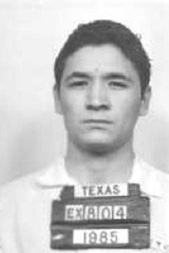
5. Ruben Cantu — Seventeen & Executed
Ruben Cantu was seventeen years old when the crime occurred. He was executed by Texas in 1993 at the age of twenty-six.
He was convicted of capital murder in the shooting of Pedro Gomez during an attempted robbery in 1984. The other victim, Juan Moreno, survived nine gunshot wounds.
Years after the execution, Moreno came forward. He told investigators that he’d only identified Cantu because he was “afraid of the police”. The real shooter was someone else entirely. Police had threatened Moreno, pressured him, and coached him into identifying Cantu.
The second key prosecution witness, a co-defendant named David Garza, also recanted. He admitted he lied at trial in exchange for a reduced sentence. He signed a sworn affidavit stating Cantu was innocent and wasn’t with him the night of the shooting.
The jury forewoman who convicted Cantu came forward years later. She stated that if the jury had known Cantu was seventeen, they never would have sentenced him to death. Texas executed him anyway.
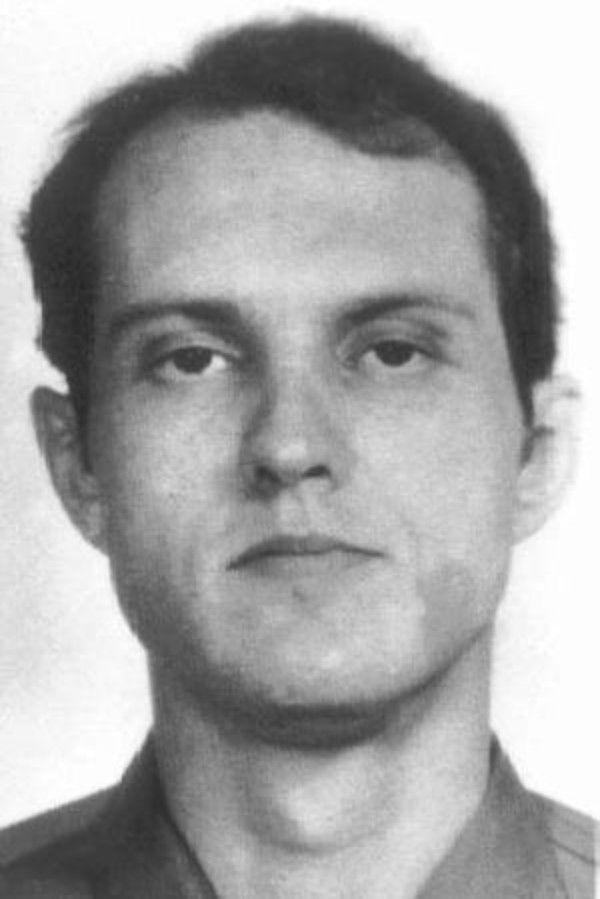
6. Jesse Tafero — Executed By Fire
Jesse Tafero was executed in Florida in 1990 for the murder of two police officers in 1976.
During his execution, the electric chair malfunctioned. Flames shot from Tafero’s head. Witnesses reported smelling burning flesh. It took three jolts over seven minutes to kill him.
Two years later, his co-defendant Sonia Jacobs was released from death row when evidence emerged proving they were both innocent. The actual shooter was Walter Rhodes, who’d testified against Tafero and Jacobs in exchange for a life sentence.
Rhodes had changed his testimony multiple times. Physical evidence contradicted the prosecution’s version of events. The gun that killed the officers belonged to Rhodes, not Tafero. A federal court ultimately concluded that the convictions were based on “false or misleading testimony”.
Jacobs walked free. Tafero was already dead…
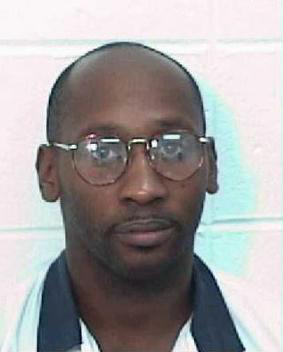
7. Troy Davis — The Case That Changed The Debate
Troy Davis was executed by Georgia in 2011 for the 1989 murder of off-duty police officer Mark MacPhail.
The case against Davis relied almost entirely on witness testimony. No physical evidence connected him to the crime. No murder weapon was found. No DNA evidence existed.
Seven of the nine non-police witnesses later recanted their testimony. Several stated they’d been pressured or coerced by police. Some said they’d been threatened. Others admitted they simply hadn’t witnessed what they’d testified to seeing.
Multiple witnesses came forward identifying another man as the shooter. New evidence emerged suggesting police misconduct. Former FBI Director William Sessions, three former U.S. presidents, the Pope and Amnesty International all called for clemency.
The U.S. Supreme Court took the extraordinary step of ordering a federal judge to review the case. The judge concluded that whilst the evidence cast “some additional, minimal doubt” on Davis’s guilt, it wasn’t sufficient to overturn the conviction.
Georgia executed Troy Davis on 21 September 2011. His final words maintained his innocence.
The case sparked international outrage and reignited debate about the death penalty in America. The execution proceeded despite overwhelming doubt about guilt, demonstrating that the standard for overturning a conviction remains impossibly high, even when most of the evidence supporting it has been recanted.
The machinery doesn’t require certainty. It only requires that doubt doesn’t rise to an arbitrary legal threshold. And that threshold is designed to protect convictions, not necessarily uncover truth…