

Anne Hathaway was 26 years old, three months pregnant and about to marry an 18-year-old boy whose family had fallen on hard times. That’s the verified reality. Everything else you’ve heard is projection onto a blank canvass. But is there more to the story of Shakespeare’s wife than meets the eye…?
For over 400 years, Shakespeare’s wife has been wildly exaggerated, outrageously degraded, enthusiastically embellished and completely ignored. Early 20th-century writers reimagined her as either a sexually incontinent cradle-snatcher or a calculating shrew.
Bizarre But True! Here’s what the actual records show…
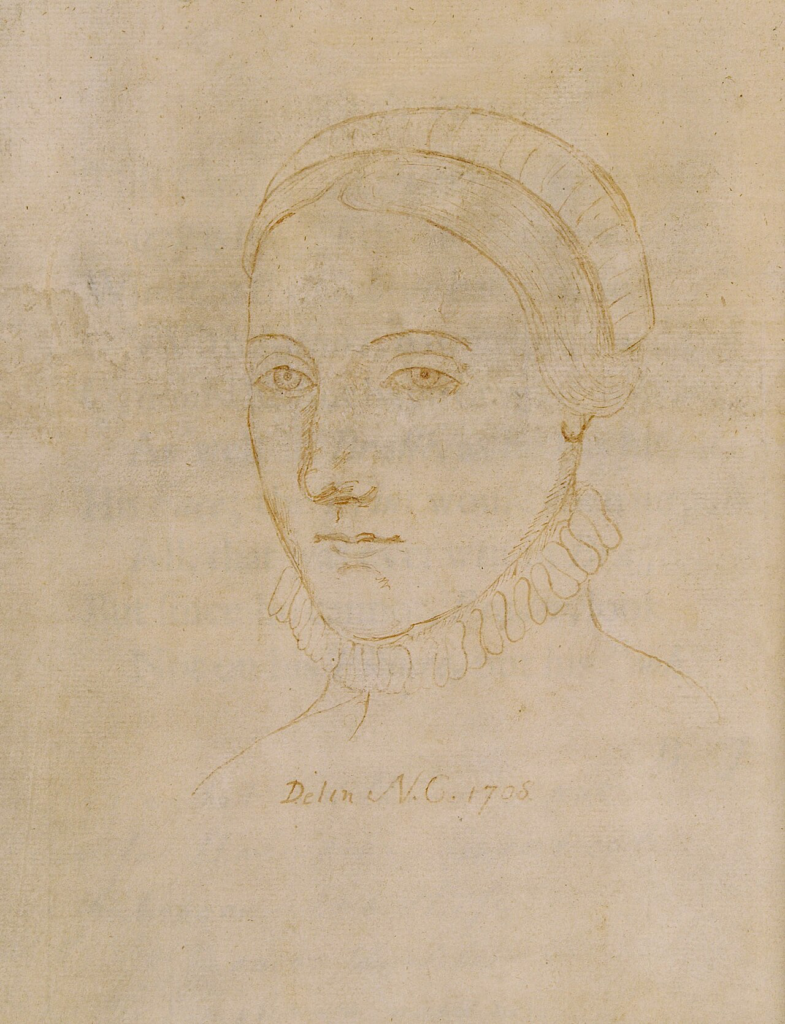
SHE Was The Catch, Not Him!
Anne’s family occupied a 90-acre farm in good social and financial standing. Shakespeare’s father was in financial ruin with dwindling status and downward momentum.
The older pregnant woman from money married the broke teenage boy.
Shakespeare offered few prospects as a husband. Anne Hathaway would have been considered a catch. The age gap inverted typical Elizabethan marriage patterns, but the twist is more bizarre than you think.
At 26, Anne was actually at the perfect marrying age. Shakespeare was legally a minor requiring his father’s permission to wed. He was one of only three known teenage bridegrooms marrying in Stratford during the years 1570 to 1640.
Boy players on Shakespeare’s stage were 14 to 19 years old. In society’s eyes, he would still have been considered a boy.
The Pregnancy Statistics Destroy The Scandal Narrative
Anne was demonstrably pregnant when she married Shakespeare in November 1582. Daughter Susanna arrived six months later in May 1583.
Scandalous? Not even slightly.
Research into 1580s Warwickshire records reveals that as many as one-third of women were pregnant before marriage. So long as they married before a child was born, couples faced no church discipline, civic censure or social stigma.
The rushed wedding supposedly only happened because Anne’s pregnancy timing collided with Advent.
December 2nd marked the start of the church season when marriages were prohibited until eight days after Epiphany. They had to marry immediately or wait months whilst Anne’s pregnancy became undeniable. This was logistics, not shame.
She Ran A Business Whilst He Wrote Plays
Records from the Shakespeare Birthplace Trust reveal Anne ran a profitable malt-making operation from the family home. Malt was a necessary ingredient for beer and ale.
Although Shakespeare was named on records as legal head of household, malt-making was practised exclusively by women. The business was Anne’s.
She also managed the money, took in lodgers and offered civic hospitality by welcoming visiting preachers. She borrowed from Thomas Whittington, a shepherd, as indicated in his 1601 will. Not a passive housewife awaiting her husband’s return from London.
Anne operated the household economy whilst Shakespeare pursued theatre in the capital. And the arrangement seems to have worked for 34 years of marriage…
The Bed Bequest Everyone Misreads
Shakespeare’s will leaves Anne his “second best bed with the furniture.” That single line has spawned more speculation than most people’s entire biographies.
Here’s what matters: English law guaranteed Anne one-third of Shakespeare’s estate regardless of the will. The bed was an addition, not a replacement. Best beds were reserved for guests in Elizabethan households. The second-best bed was the marital bed they’d shared for three decades.
But the coldness is real. There is no theatre will of the period that’s half as mean or cold towards the wife as Shakespeare’s is. Contemporaries like Burbage wrote “I make my wife – my trusty and well-beloved wife- my sole executor.” Etc!
Anne Hathaway received one cold line…
The Name Confusion That Broke Scholars’ Brains
In her father Richard Hathaway’s 1581 will, Anne appears as “Agnes.” The marriage register lists “Anne Whateley of Temple Grafton” whilst the bond the next day names “Anne Hathwey.”
One day. Two different names.
For over a century, scholars speculated Shakespeare intended to marry Anne Whateley but was forced to marry the pregnant Hathaway. Modern consensus: nothing so juicy, just a clerical error.
But we cannot know for certain. The documentation uncertainty mirrors everything about Anne’s life. Fragments that permit endless projection but resist definitive answers.
The Historical Erasure Continues
We have a handful of 16th-century records. Birth. Marriage. Children. Death. Business transactions. A will bequest. But everything else is projection and speculation.
Anne Hathaway’s history is largely a blank and yet that empty page has been projected onto in a way that allows her little substance. She’s been reimagined to fit whatever narrative serves the Shakespeare mythology at any given moment.
An older woman from money married a broke teenage boy. A businesswoman who outlived him by seven years. That’s what we actually know. The rest is theatrical noise dressed as biography.
Want To Find Out More…?
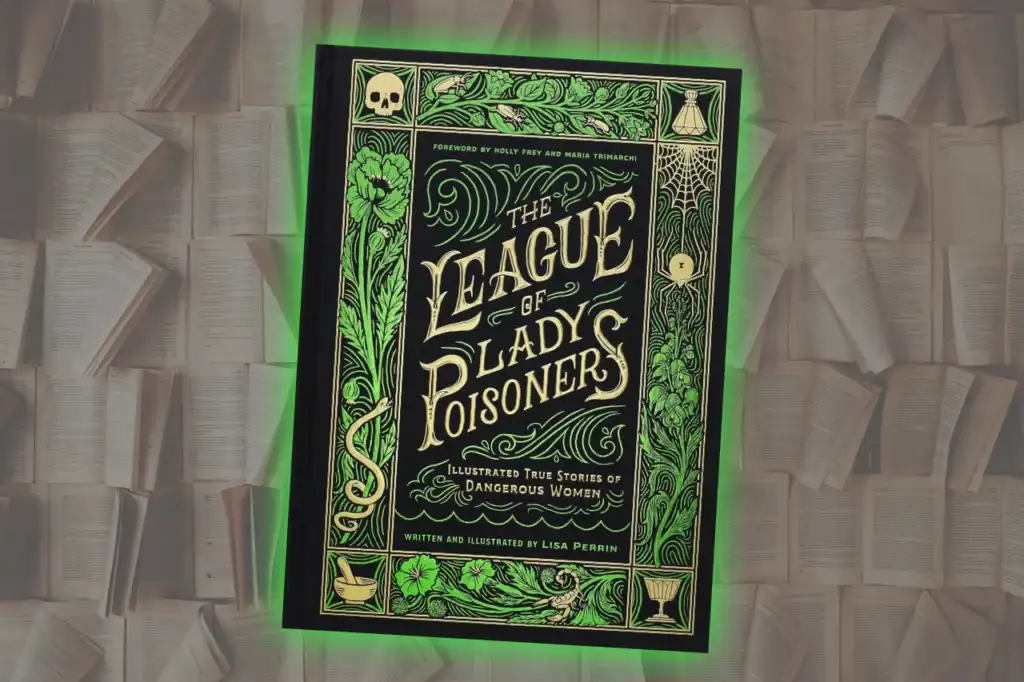
Check out Katherine West Schill’s book ‘Imagining Shakespeares Wife: The Afterlife Of Anne Hathaway’ below to discover the juicy bits that historians are only just piecing together…
What has been the appeal of Anne Hathaway, both globally and temporally, over the past four hundred years? Why does she continue to be reinterpreted and reshaped? Imagining Shakespeare's Wife examines representations of Hathaway, from the earliest depictions and details in the eighteenth century, to contemporary portrayals in theatre, biographies and novels. Residing in the nexus between Shakespeare's life and works, Hathaway has been constructed to explain the women in the plays but also composed from the material in the plays. Presenting the very first cultural history of Hathaway, Katherine Scheil offers a richly original study that uncovers how the material circumstances of history affect the later reconstruction of lives.