

Bizarre But True! Germany produces over 1,500 different types of sausage. Most recipes remain closely guarded secrets accessible only to a select few. And that level of secrecy makes sense when you discover what actually goes into making some of these things…!
The Sausage That Must Never Hear Church Bells
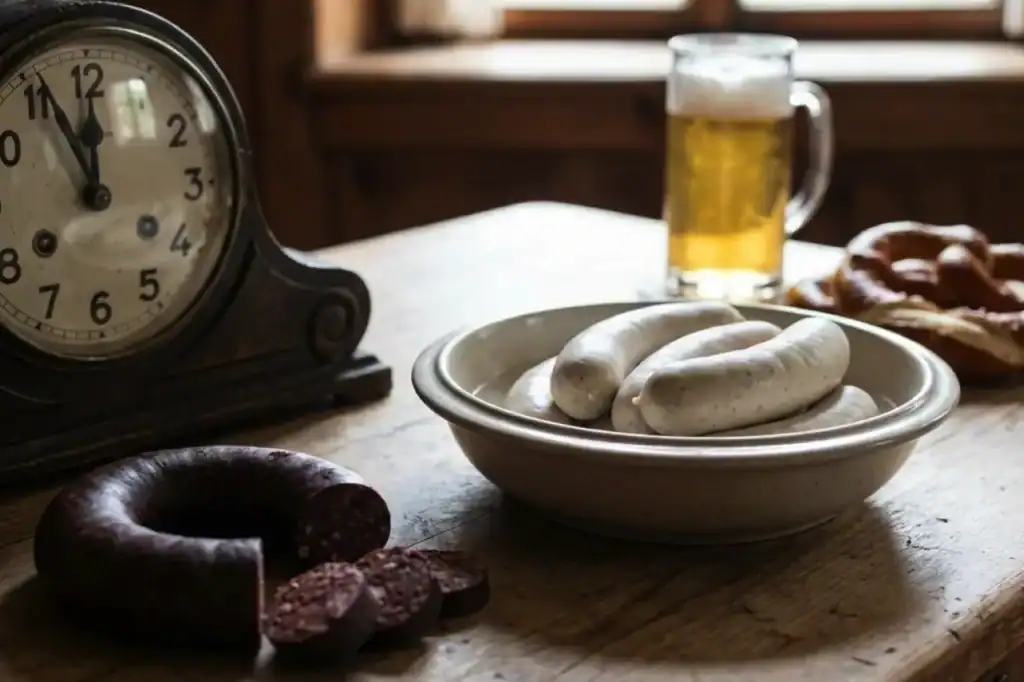
Traditional Bavarian weisswurst operates under a strict temporal rule: consumption must occur before noon.
The saying goes that this white sausage “should never be allowed to hear the noon chime of church bells” because it will spoil. Made fresh daily without preservatives, it’s eaten at breakfast specifically to help prepare for a day of drinking at Oktoberfest.
The deadline isn’t even superstition. It’s actually chemistry.
Without modern preservation, the clock starts ticking the moment these sausages leave the butcher’s hands. Miss your window and you’re eating something that’s actively decomposing.
Dead Grandma Is On The Menu
German blood sausage earns its ingredients through a process most people prefer not to visualise: congealed pig or cow’s blood mixed with pork, beef, animal fat, bread or oatmeal and spices.
Germans call it “tote oma.” That translates directly to “Dead Grandma.”
Before you panic—there’s no actual grandma in the wurst. The name apparently references the dark, mottled appearance of the sausage, which resembles… well, you can work it out.
One American expat’s first encounter with Zungenwurst (Blood Tongue sausage, also made with pig’s blood, tongue and fat) produced this memorable testimony: “I hacked it back up into my napkin and told my wife I could taste the screams.”
That’s the kind of visceral reaction you get when food crosses the line from cuisine into body horror!
The Sausage That Once Contained Brain
Gelbwurst (yellow sausage) and Bregenwurst share a disturbing historical ingredient: animal brains.
Bregenwurst’s main component used to be pig or cattle brain. Modern versions now use pork and pork belly instead, presumably after someone in the supply chain realised that marketing “brain sausage” presented certain challenges. Gelbwurst faces a different problem: it goes rancid so quickly that it’s another sausage on the list that must be eaten immediately after purchase.
You can’t store it. You can’t save it for later. You buy it, you eat it, or you bin it.
Medieval Germans Took Their Sausage Seriously
In 1313, the Nuremberg Council defined the recipe for Roastbratwurst with legal precision. The mandate was clear: only pork loin could be used in production.
This wasn’t a suggestion. This was law.
By 1432, historians discovered a Bratwurst Purity Law document revealing strict quality guidelines for Thuringian bratwurst makers. The requirement was simple: use only “fresh pork.” These weren’t food safety regulations in the modern sense. They were quality control mechanisms designed to protect regional sausage reputations. If you made substandard bratwurst in medieval Germany, you weren’t just disappointing customers—you were breaking the law. And everyone knows how much the Germans love a law…!
Some of these recipes date back to 1404 and remain unchanged. The formulas work, so why mess with six centuries of refinement?
The Reality Behind The Recipes
German sausage traditions operate on a principle that most modern food systems have abandoned: ingredients should be so fresh they’re borderline unstable.
Bizarre But True! Medieval Germans encoded sausage standards into law and modern Germans still eat Dead Grandma for breakfast. Well, sort of…
Want Even More German Sausage Trivia..?!
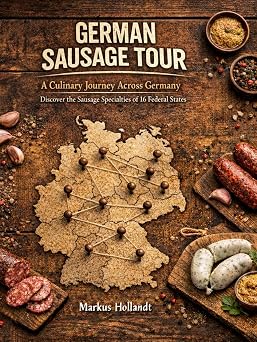
We have you covered – with the perfect coffee table (or should that be kitchen cupboard) read, devoted to Germany and its rich history of sausage-based culture…!
German Sausage Tour takes you on a culinary journey through all 16 federal states of Germany, exploring the regional sausage specialties that have shaped German food culture for centuries.
This book combines traditional knowledge with practical experience and offers a fascinating insight into the world of authentic German sausage making.
Inside this book you will discover:`
• Traditional sausage recipes inspired by regional German specialties
• Authentic spice blends and ingredient combinations
• Clear ingredient quantities and practical preparation guidance
• Background knowledge about German sausage culture and traditions
• Inspiration for hobby sausage makers, cooks, and food enthusiasts
German sausages are more than just food — they are part of regional identity and culinary heritage. Each recipe in this book reflects the flavors and traditions of the region it represents.
Whether you are a home cook, food enthusiast, or hobby sausage maker, this book will introduce you to the authentic taste of Germany and help you explore one of the country's most beloved culinary traditions.
Start your journey through Germany's sausage landscape and discover the flavors that have made German sausages famous all over the world.