

Bizarre But True! Shirako exists. Never heard of it before, then read on if you’ve got a strong stomach to find out more…
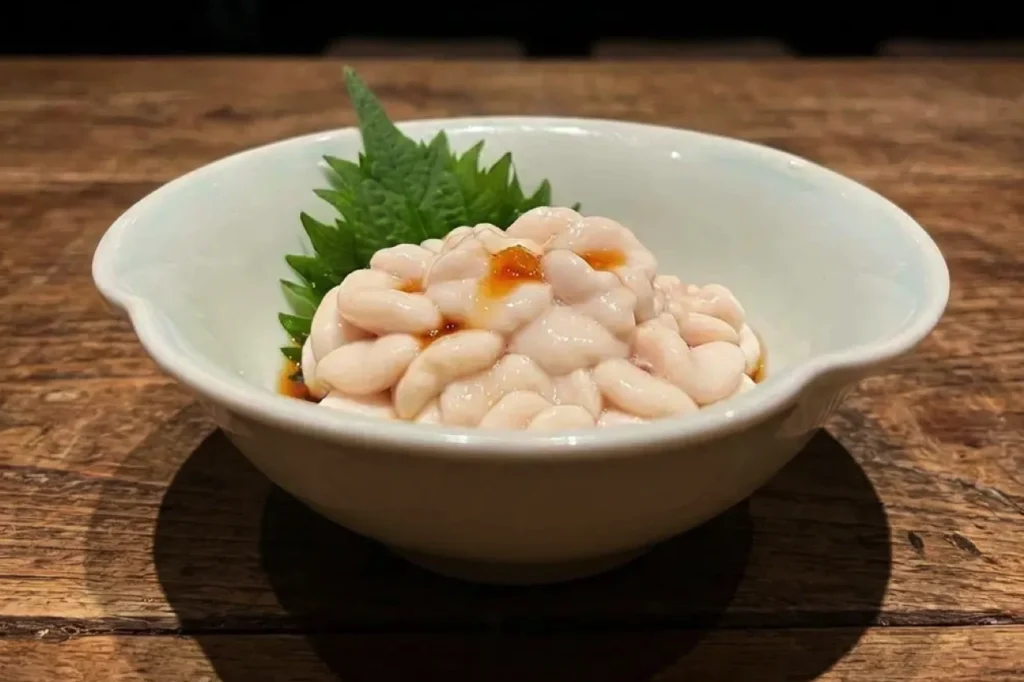
It sits on plates in restaurants across Japan, looking like tiny clouds or brains, depending on your tolerance for visual honesty. The translation is “white children.” The reality, however, is cod sperm sacs, served whole.
People eat it. They pay for it. Some of them genuinely love it.
This isn’t fiction. This is documented culinary reality and the facts surrounding this bizarre oriental dish are enough to make most westerners stomachs turn..!
The Nutritional Maths Are Insane
Cod ‘milt’, as it’s known, contains nearly five times as much protein as a regular cod fillet.
A 100g serving delivers 116 calories and 16g of protein. That is more nutritionally dense than the actual fish meat which people normally eat. The sperm sacs outperform the muscle tissue in pure protein delivery. Ideal for bodybuilders the world-over?!
The chemical composition breaks down to 82% water, 1.1% fat, 14.5% protein and 1.8% ash. So it objectively is a protein bomb (but wrapped in the most psychologically challenging presentation imaginable).
This Isn’t Just A Japanese Thing
Culinary experts have called milt “the male counterpart to caviar”, and the consumption pattern spans continents.
Russians pickle herring milt and call it moloka. Sicilians serve tuna milt on pasta and call it lattume. Even the British fry it in butter for toast (apparently). Czechs use carp milt in their Christmas Eve soup too.
It’s surprisingly not asian-niche. But global!
The Price Point Reflects Perceived Value
Fugu shirako costs around £65 for 300g.
Cod shirako costs approximately £13 for 500g.
The pricing disparity exists because fugu milt is called “the jewel of the sea” and is only available during spawning season from January to March. Scarcity drives the premium, so pufferfish sperm commands ‘luxury’ pricing.
And people really are willing to pay hefty amounts of dough for verified fish reproductive organs.
The Taste Description Defies Expectations
Fans describe the flavour as “the sweetness with sea air”.
The texture is said to be custard-like. It melts in the mouth. The consistency is creamy when the sperm sacs were full, translucent white or pink if they were depleted.
The appearance has been compared to brains because the sperm sac is served whole and intact. The mental image affects enjoyment more than the actual flavour. Those in the know say that the psychological barrier is the primary obstacle, not actually the taste profile of the ingredient.
The Historical Timeline’s Documented
Shirako became popular as a delicacy during the Meiji period (1868-1912).
Modern sushi culture emerged during this era too and chefs were encouraged to develop new presentation methods. Consumption likely dates back centuries to fishing villages using all parts of the catch to save on waste, but the formalised delicacy of this ‘unsavoury organ’ is traceable to this specific period.
The Aphrodisiac Claims Lack Evidence
Despite widespread claims that shirako has aphrodisiac properties, scientific evidence supporting this is limited.
The belief’s based on folklore rather than empirical research. What is verified though is that shirako is packed with omega-3 fatty acids and vitamin B12. So the nutritional benefits are real but the sexual enhancement claims are not substantiated by data. The folklore persists because of the psychological association between reproductive organs and virility being stronger than the requirement for proof(!)
You Can Try This Right Now…
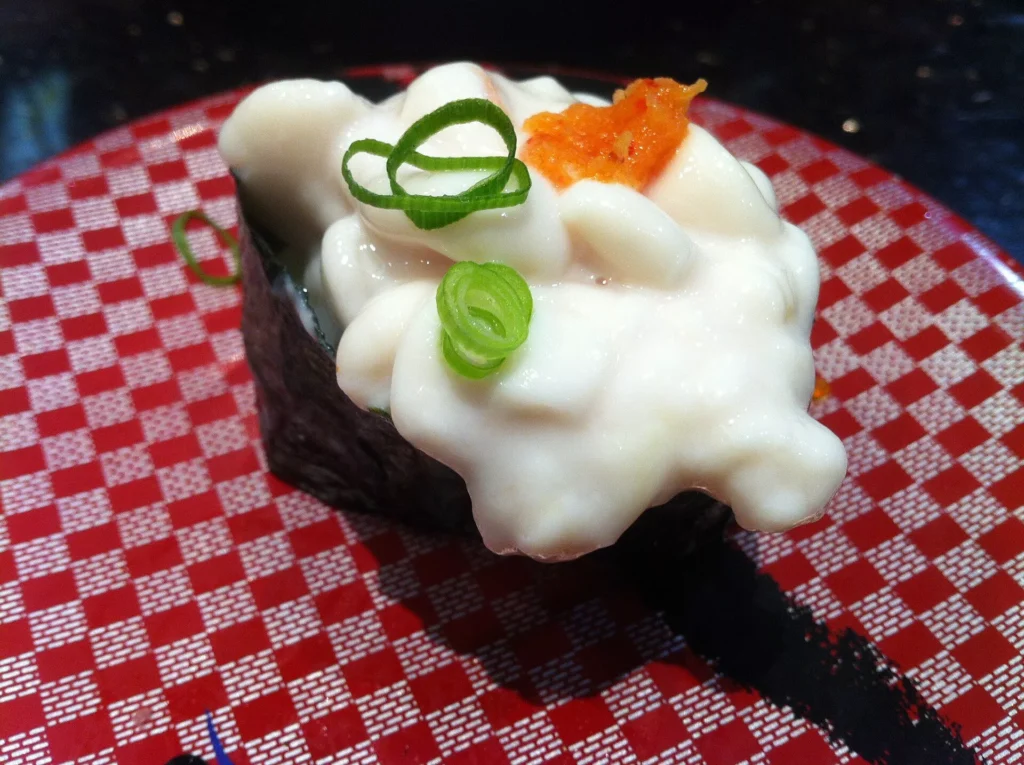
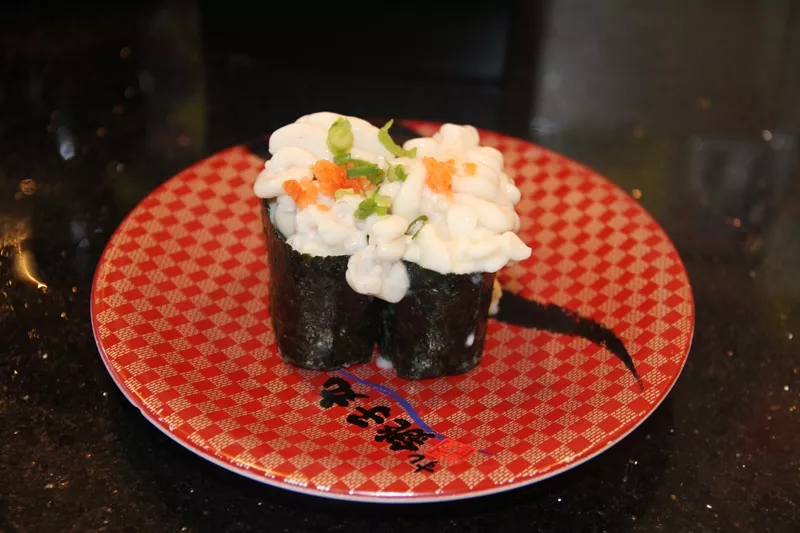
Shirako isn’t theoretical. It’s available. Restaurants serve it grilled, deep-fried or even raw. The preparation method changes the texture but not the fundamental reality of what sits on the plate.
So the next time you fancy asian food would you search for a menu containing Shirako…?