

Underneath a farmhouse in Fife sits one of the most disturbing relics of the Cold War. Not disturbing because of what happened there. Disturbing because of what it reveals about who gets saved when the world ends…
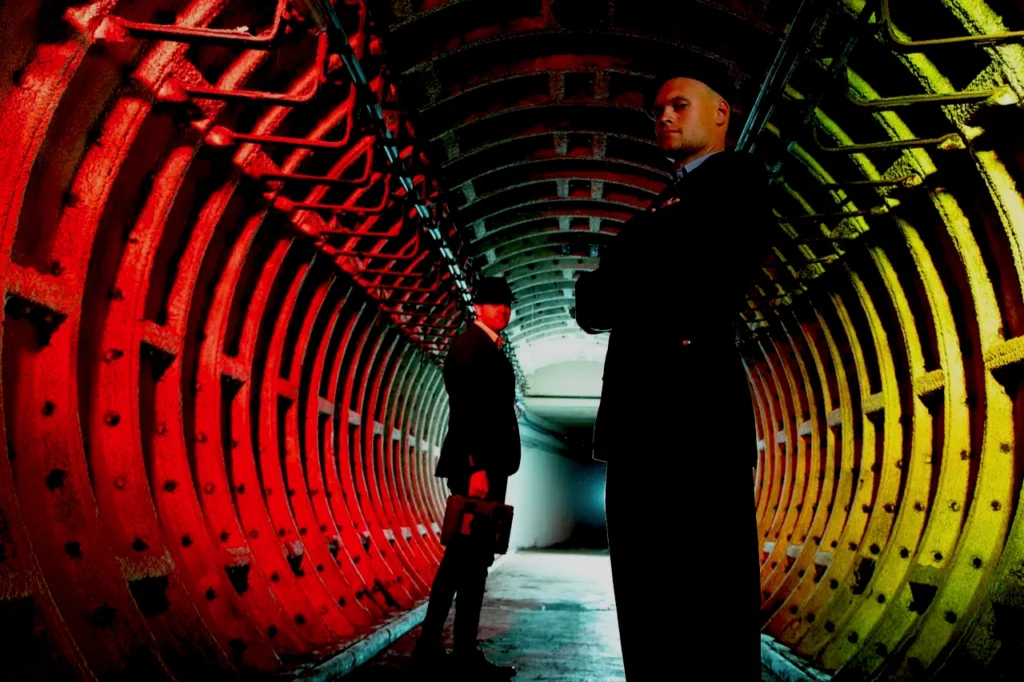
Bizarre Scotland’s largest Secret Bunker isn’t hidden anymore. You can visit it. Walk through the 150-yard entrance tunnel, past blast doors weighing 1.7 tons each and descend 135 feet underground into a facility built to house 300 government officials and military personnel and even the monarch, whilst everyone else faced nuclear annihilation…
The Construction Nobody Was Supposed To Know About
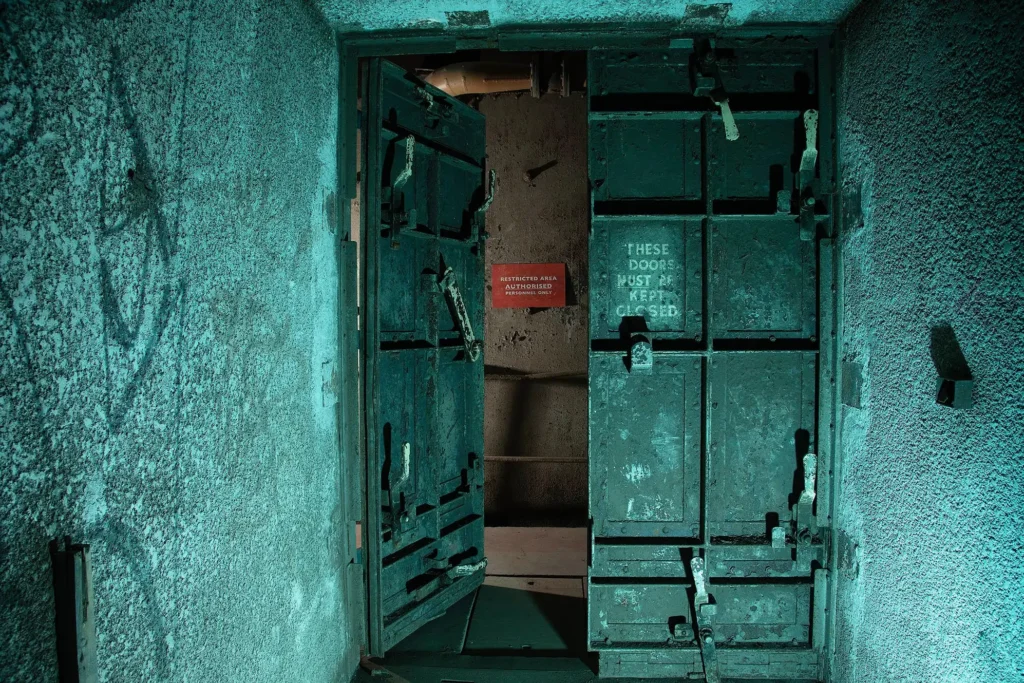
The engineering is insane. Ten-feet-thick concrete walls reinforced every six inches with one-inch tungsten rods.
Forty-five thousand tons of concrete poured onto a gravel base designed to absorb nuclear shockwaves. The entrance tunnel alone uses concrete 18 inches thick at the surface, increasing to 10 feet beside those massive blast doors.
The tunnel deliberately bends as you walk down it too. Not for aesthetics. But to mitigate blast effects and make the bunker easier to defend against enemy forces. Or against contaminated locals trying to get in.
Construction began in the early 1950s, disguised as an ordinary farmhouse above ground. For decades, the facility operated in absolute secrecy as a Regional Government Headquarters, ready to coordinate Scotland’s response to a nuclear war.
The Hot Beds Horror Show
But here’s where it gets properly grim…
The bunker operated on a ‘hot beds’ principle. Employees worked 18-hour shifts, rested for 6 hours, then swapped their bunk with another person starting their shift.
Your bed was never going to be just yours. It was always ‘warm’ from someone else.
Three hundred people rotating through the same sleeping spaces, working round the clock to manage a nuclear apocalypse scenario whilst their families were presumably dead or dying above ground.
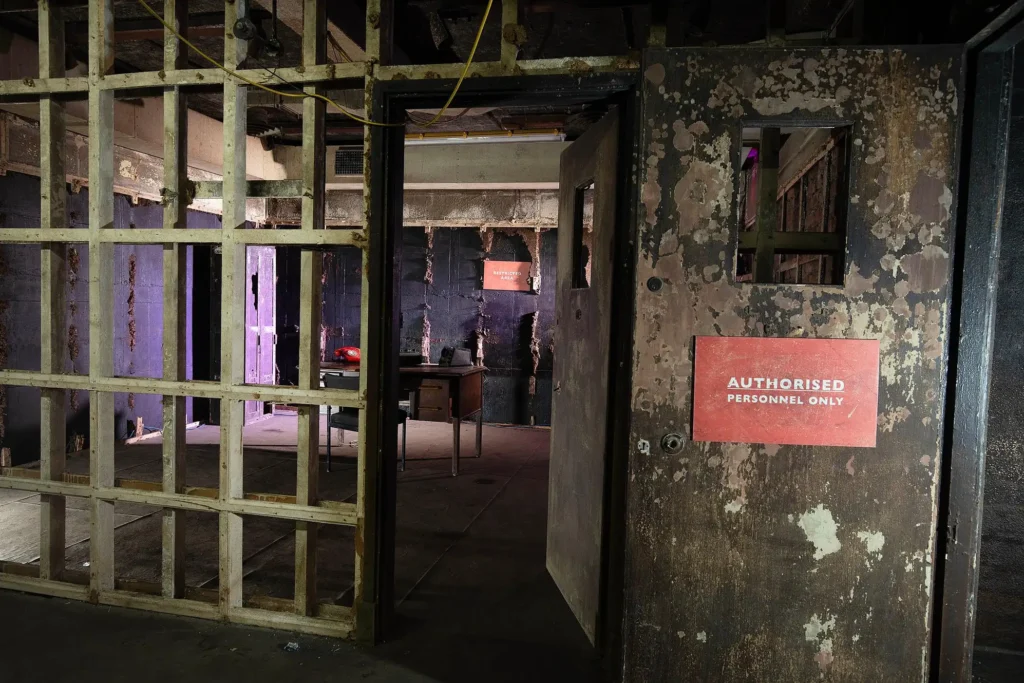
The bunker contained everything needed for long-term survival: a communications centre, dormitories, a BBC broadcasting studio, medical facilities and enough supplies to sustain operations for weeks.
All meticulously preserved today, frozen in their original Cold War state.
The Secrecy That Actually Held
One engineer did all the electrics in the bunker. He didn’t tell his wife for 50 years. Fifty years of marriage. Fifty years of keeping that secret. Going to work every day at a facility designed to save a select elite whilst everyone else burned.
The bunker remained classified until decommissioning in 1993. Then it was sold for roughly £70,000 – essentially the price of a modest flat for an entire underground government headquarters.
That’s what decades of national security infrastructure is worth once the threat passes.
The Public Knew (And They Weren’t Happy)
Despite official secrecy, newspaper clippings from the era show the public knew something was there though… And they weren’t thrilled about it.
Why should a select elite get saved when everyone else gets vaporised in a nuclear holocaust? That’s the question people asked then. It’s still a valid question now.
During a 1988 war game simulating nuclear strikes on Scotland, some participants simply refused to take part. They’d already decided they would remain with their families. The entire enterprise revealed as futile by the people it was designed to protect.
The JCB Digger Siege Nobody Expected
In 2004, years after the bunker became a tourist attraction, a man broke in using a JCB digger. He sealed himself inside.Armed police surrounded the facility.
The stand-off lasted three days.
CCTV footage later showed him brandishing replica guns, trying on Cold War uniforms and firing at a skeleton he’d nicked from the medical room. Then he made tea for the skeleton, helped himself to beer and food and smashed the cameras.
The siege ended when he was committed to psychiatric care. A Cold War relic designed to withstand nuclear attack, breached by a bloke with a digger who wanted a tea date with a fake skeleton…
Why You Need To Visit This Place
You can walk through the same corridors where officials would have coordinated responses to nuclear strikes. Stand in the communications centre where messages would have been sent as cities burned. See the dormitories where people would have slept in shifts, knowing their families were likely dead.
The facility sits just outside St Andrews in Fife, easily accessible from Edinburgh.
Book your guided tour through GetYourGuide below and experience one of Scotland’s most unsettling historical sites for yourself…