
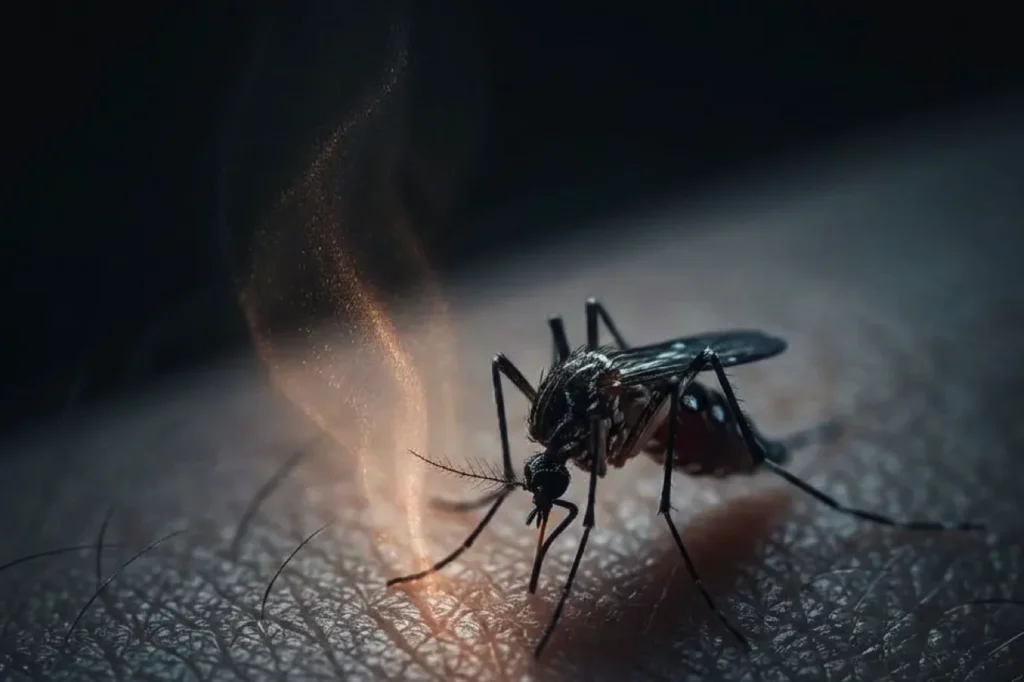

Mosquitoes aren’t just randomly buzzing around your head at barbecues. They’re hunting. Bizarre But True! Researchers have discovered that these little bloodsuckers possess a genuinely disturbing ability: they can sniff out people infected with certain viruses…
When you catch dengue or Zika, your body starts pumping out a chemical cocktail that mosquitoes find absolutely irresistible. It’s biological sabotage on a microscopic scale…
Your Skin Becomes Mosquito Cologne
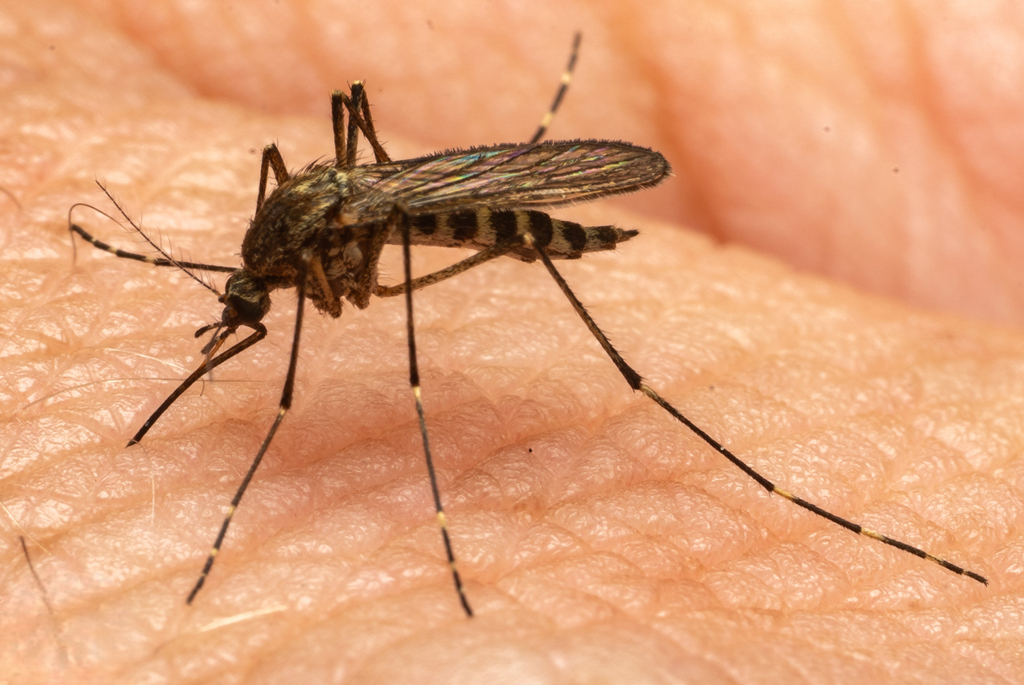
The culprit is a chemical called ‘acetophenone’. To humans, it smells like orange blossom—quite pleasant, really. To mosquitoes, it’s the equivalent of a neon sign flashing “FRESH BLOOD HERE.”
Infected mice produced roughly 10 times more acetophenone than healthy mice. That’s not a subtle difference. That’s your body screaming “come and get me” in a language only the mosquitoes understand.
When scientists ran experiments with caged mice, around 70% of mosquitoes swarmed towards the infected ones rather than the healthy specimens. The virus essentially turns you into bait.
The Mechanism Is Ruthlessly Clever
Here’s how the hijacking works…
Dengue and Zika viruses suppress a skin protein called RELMα. This protein normally keeps certain bacteria in check – specifically Bacillus bacteria that live on your skin. Once the virus shuts down your natural defences, these bacteria multiply wildly and start churning out acetophenone.
The virus weaponises your own skin microbiome against you…
It’s not even doing the dirty work itself. It’s manipulating your body’s existing systems to do the job!
Humans Aren’t Immune to This Trick
But the research didn’t stop with mice. Scientists swabbed the armpits of dengue patients and applied the scent to volunteers’ hands. Mosquitoes consistently preferred the ‘infected-person’ odour over healthy-person odour. Actual human armpit swabs proved the mechanism works on us too.
Dengue and Zika together infect up to 400 million people every year. This scent-manipulation strategy has likely been operating throughout human history, silently making outbreaks worse by turning infected people into mosquito magnets, which in turn perpetuate issues even further.
Other diseases appear to use similar tactics. COVID-19 patients release distinctive scent molecules that dogs can detect. Malaria parasites also change human scent to attract mosquitoes. Multiple diseases seem to have evolved this transmission hack independently of each other over the millennia.
The Solution Might Be Sitting in Your Medicine Cabinet
But here’s a twist…
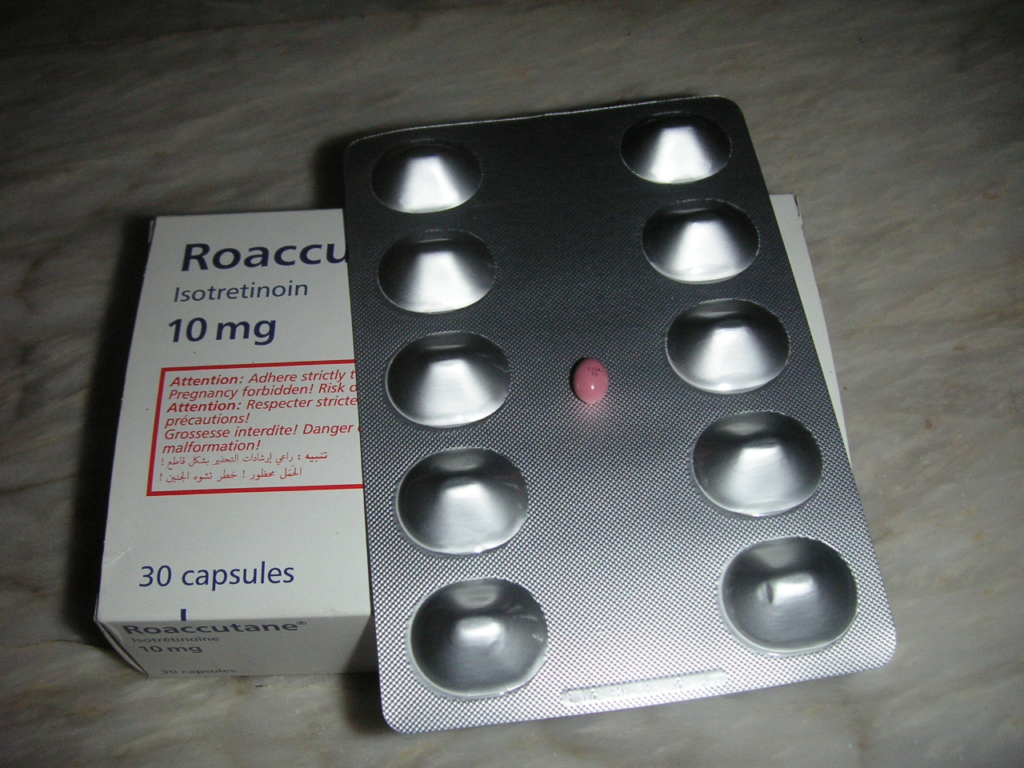
Common acne medication, isotretinoin, can restore the antimicrobial protein that the virus suppresses. When researchers gave it to infected mice, they became no more attractive to mosquitoes than the healthy ones.
So spotty teenagers’ medication might actually help stop future mosquito-borne pandemics.
Scientists are also planning to identify the specific mosquito olfactory receptors that detect acetophenone. They want to remove these receptors from mosquito populations using gene drive technology. Make mosquitoes “nose-blind” to infected humans and you break the transmission cycle.
This Changes Disease Control
If mosquitoes selectively target infected hosts, disease transmission is more efficient than anyone previously calculated. That has serious implications for outbreak modelling and public health responses in regions where mosquito-borne diseases are endemic.
The research even opens up entirely new intervention strategies. You could develop traps that mimic the acetophenone signal. You could create repellents that mask it. You could treat infected people with medication that shuts down the scent production.
So the key to controlling mosquito-borne diseases might not be killing mosquitoes—it might be confusing their noses!